Best Time to See Northern Lights: When and Where to Go
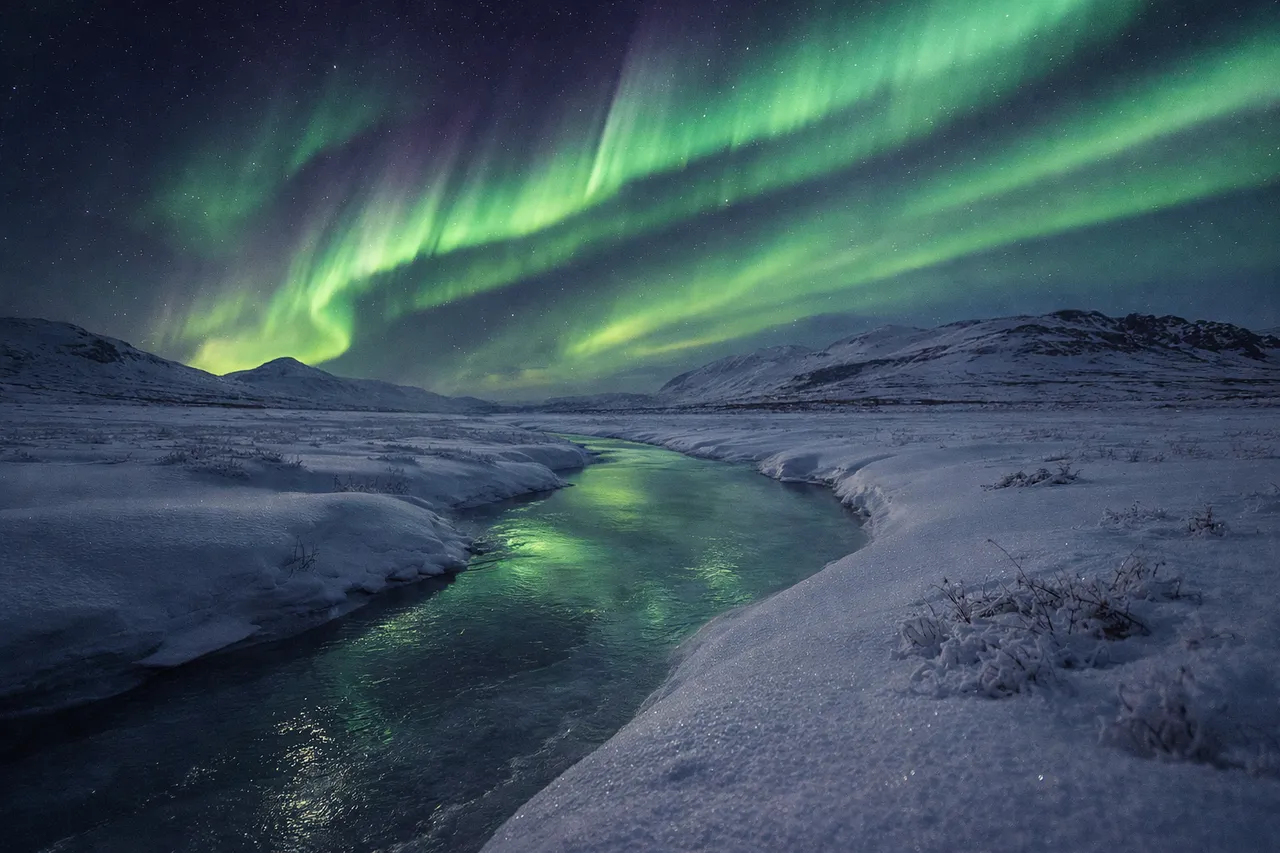
For most people, the first successful aurora sighting happens sometime between early autumn and the end of winter. From September to March the nights become long enough in northern regions for the sky to turn truly dark, which is when auroras can finally stand out against the background of space. Clear weather makes a difference as well, especially during periods of stronger activity in the northern lights aurora borealis.
If you are trying to figure out when is the best time to see the northern lights, the answer usually comes down to three practical factors: darkness, location, and solar activity. When these conditions align, the chances of seeing the aurora increase noticeably.
Best Time of Year to See Northern Lights
The visibility of the northern lights aurora borealis depends strongly on seasonal darkness. In high-latitude regions the sky must become properly dark before auroras can be seen clearly. For this reason, the viewing season generally runs from early autumn to early spring. During these months nights are long enough, and daylight hours are shorter, which improves the chances of seeing aurora activity.
Autumn and Spring Advantages
Many observers find autumn and early spring especially reliable periods. September-October and February-March often combine longer nights with relatively stable weather conditions. Temperatures are usually milder than in midwinter, which can make outdoor viewing easier.
Around the equinox months, geomagnetic activity also tends to increase slightly. This does not guarantee auroras on a specific night, but observers often notice more frequent displays during these periods. The season still offers long dark evenings, yet temperatures are usually milder than in midwinter. Because of that balance, early autumn and late winter are often considered some of the best times to see northern lights without dealing with the harshest Arctic cold.
Why Summer Is Not Ideal
In the far north, the summer is usually not a good time to see the aurora. During this season, the Sun stays above the horizon for most of the night in places like northern Norway, Iceland, Alaska, and northern Canada. This phenomenon is often called the midnight sun.
Because the sky never becomes fully dark, faint aurora displays cannot be seen even if solar activity is present. The light of the Sun simply overwhelms them. For that reason, summer is rarely considered a practical time for northern lights observation in Arctic areas.
When Can You See the Northern Lights at Night
Auroras can appear at any point during the dark part of the night, but some hours tend to be more productive than others. Visibility depends on both geomagnetic activity and local darkness. Even a strong display is much harder to notice if the sky is still bright from twilight or nearby artificial light.
Best Hours After Sunset
In many locations, a useful viewing window begins a couple of hours after sunset. The period between roughly 9 PM and 11 PM is often a good time to start watching, especially once the sky has fully darkened. If you are wondering when can you see the northern lights, this early nighttime window is often the first realistic opportunity.
That said, timing alone does not guarantee success. Aurora visibility still depends on geomagnetic conditions, cloud cover, and how dark the sky is at your location.
Why Midnight Often Works Best
Many observers report stronger displays closer to midnight or in the hours just around it. By that time, the sky is usually at its darkest, which makes faint aurora bands easier to detect. This is especially helpful when activity is present but not intense.
Midnight is not a fixed rule, but it often gives better viewing conditions than earlier evening hours. In practice, the best approach is to stay out long enough to cover a wider nighttime window rather than rely on a single exact hour.
Best Places to See Northern Lights Around the World
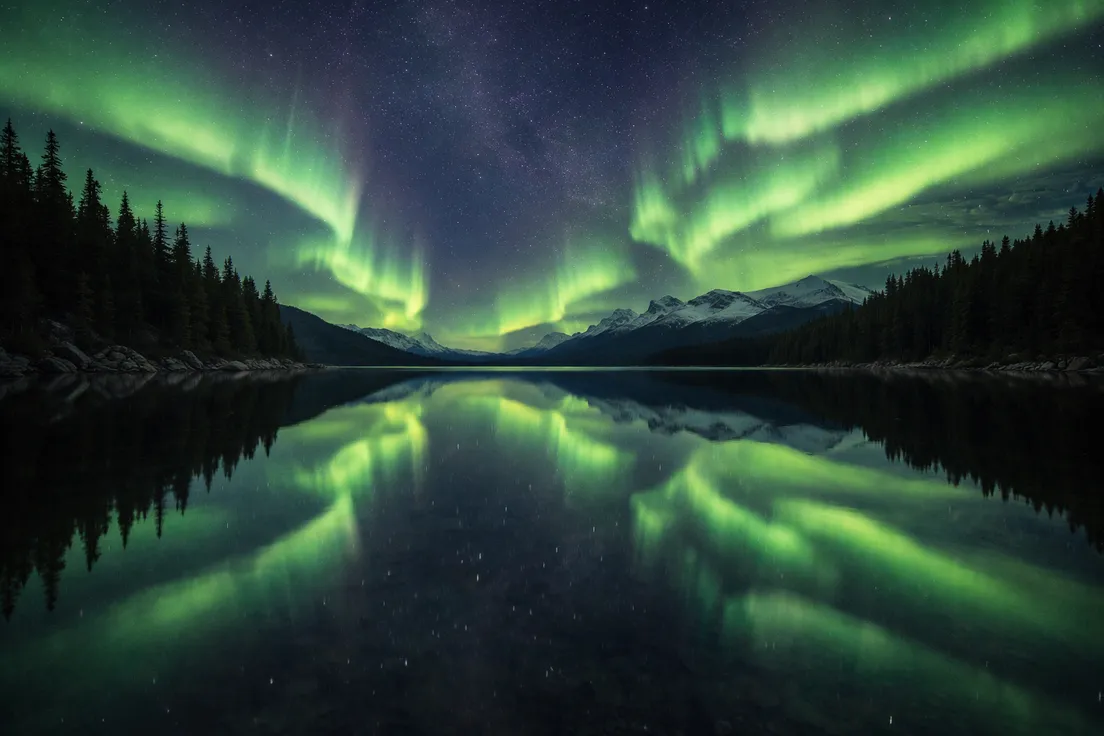
The best places to see northern lights are usually found close to the auroral oval, the band around the polar regions where aurora activity is most frequent. High latitude matters a great deal, but so do dark skies, accessible viewing areas, and weather patterns. Some destinations offer a better mix of all three.
Scandinavia and Iceland
Scandinavia remains one of the most popular aurora regions in the world. Northern Norway, Sweden, and Finland all sit far enough north to give travelers strong viewing chances during the dark season. Iceland is also well placed for aurora watching, especially outside urban areas.
One major advantage of this region is infrastructure. Roads, tours, accommodation, and transport are widely available, which makes planning easier. High latitude is another key benefit, since locations farther north often have more regular aurora activity when skies stay clear.
Canada and Alaska
Canada and Alaska also offer some of the strongest viewing opportunities. Areas such as Yukon, the Northwest Territories, and interior Alaska are well known for dark skies and large open landscapes. In many places, artificial light is limited, which improves contrast and makes faint auroras easier to see.
These regions also provide wide viewing areas with fewer visual obstacles. That can make a real difference when aurora activity is low on the horizon or spread across a broad section of sky. For travelers willing to handle colder conditions, these northern areas often deliver excellent aurora visibility.
Weather Conditions That Affect Aurora Visibility
Aurora activity alone is not enough. The display may be active overhead and still remain invisible from the ground if clouds cover the sky. Weather conditions often decide whether a strong aurora becomes a memorable sight or stays completely hidden.
Cloud Cover and Local Forecast
Clear skies are one of the most important conditions for aurora watching. Even thin cloud can weaken the view, while full cloud cover blocks it entirely. For that reason, local forecasting matters almost as much as solar activity.
Anyone trying to learn how to see northern lights successfully should check both aurora forecasts and cloud forecasts before going out. A promising geomagnetic night is far less useful if low cloud moves in at the same time. In practice, many failed viewing attempts come down to weather rather than lack of aurora activity.
Light Pollution and Viewing Conditions
Artificial light also makes a real difference. Streetlights, buildings, and traffic reduce contrast in the night sky, which makes faint aurora bands harder to notice. Bright surroundings can wash out weaker displays and leave only the strongest activity visible.
For the clearest view of the northern lights aurora borealis, it helps to move away from towns and illuminated roads. Remote locations and dark-sky areas usually offer much better viewing conditions. Even a short drive away from urban light can improve visibility more than many first-time observers expect.
Solar Activity and the Northern Lights Aurora Borealis
The northern lights aurora borealis depend on more than darkness and clear skies. Solar activity is the driving force behind them. Charged particles carried by the solar wind interact with Earth's magnetosphere, and that interaction can produce visible auroras when enough energy reaches the upper atmosphere.
Solar Cycles and Geomagnetic Storms
Solar activity spikes and decreases every eleven years. Solar maximum, or active phase, causes more eruptions and disruptions that might boost aurora activity. That doesn't guarantee dramatic nights, but it increases the odds of stronger outbursts over time.
Geomagnetic storms matter. When solar activity pushes more charged particles toward Earth, auroras become brighter and more widespread.
How Solar Activity Impacts Visibility
Aurora strength is often estimated using the KP index, which evaluates geomagnetic activity on a simple scale. High KP values increase the likelihood of stronger auroras, especially outside the extreme north.
When solar activity is high, the aurora zone might spread south. That is why strong geomagnetic storms can make auroras visible in unusual areas. Local darkness and weather matter.
How to See Northern Lights Successfully
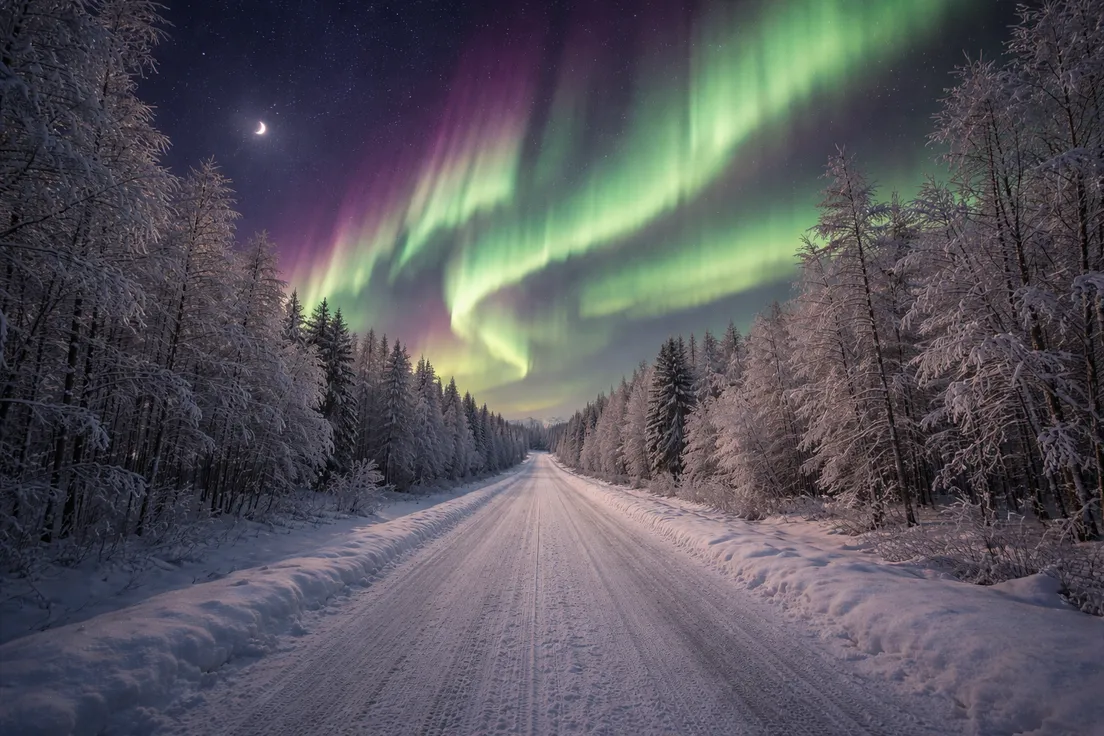
Learning how to see northern lights usually comes down to preparation and patience rather than luck. Before heading out, it helps to look at both aurora forecasts and local weather conditions. Strong aurora activity is encouraging, but it still needs clear skies and darkness to become visible.
Location matters as well. Areas away from city lights usually provide the best contrast, which makes faint aurora bands easier to detect. Many observers drive outside towns or toward open landscapes where the northern horizon is unobstructed.
Time is another factor people often underestimate. Auroras can appear briefly, fade, and then return later in the night. For that reason, staying outside for a longer viewing window increases the chances of catching activity. Warm clothing, a stable viewing spot, and a clear northern view often make the experience much easier.
Monitor real-time weather conditions and solar activity updates on MeteoFlow before planning your northern lights trip.
FAQ
Can you see the northern lights in summer?
In most Arctic regions, summer is a poor time for aurora viewing. The main problem is not the absence of aurora activity but the lack of darkness. In places affected by the midnight sun, the sky stays too bright for the display to become visible.
Do you need completely clear skies to see auroras?
Not always. Thin clouds may still allow brighter auroras to show through, although the details often look weaker or blurred. Heavy clouds are a different case and usually block the view completely. The clearer the sky, the better the visibility.
How far south can the northern lights be seen?
That depends on geomagnetic activity. During stronger storms, the aurora zone can expand well beyond the usual Arctic viewing belt. On exceptional nights, displays may be visible much farther south than normal, sometimes in regions that rarely see them.
What weather forecast factors matter most for aurora viewing?
Cloud cover is usually the first thing to check, because even active auroras cannot be seen through thick clouds. Darkness matters too, especially outside the main winter season. Solar activity is the third key factor, since it influences how strong the display may become.
Are the northern lights visible every night in Arctic regions?
No. Even in excellent locations, visibility changes from night to night. Some nights are quiet, some are cloudy, and some produce only faint movement. Arctic latitude improves the odds, but it does not guarantee a display every evening.
