What Are the Best Countries for Weather Year-Round?
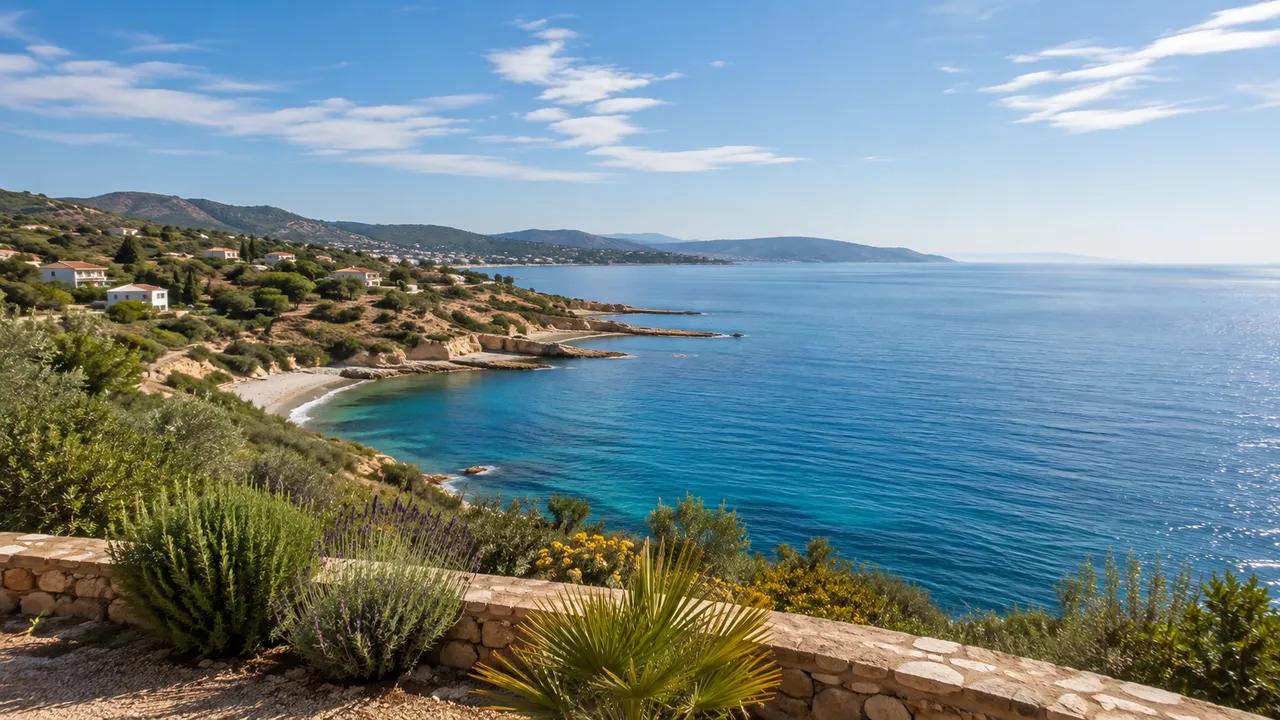
Ask ten people returning from a year in Medellín, Lisbon and Auckland what the best weather in the world feels like and you will get three different answers – and all of them will be correct for that person. Most regions on this list share three characteristics: twelve months without sustained frost, twelve months without sustained 35°C+ heat, and enough sunshine that being outdoors is a reasonable default. Where is the best weather in the world shifts depending on whether someone needs dry air, cool evenings, or simply a calendar without a dangerous season.
What Makes a Climate Comfortable Year-Round?
Reykjavik and Lisbon sit at nearly the same latitude. Lisbon averages around 290 sunny days a year; Reykjavik around 70. In Reykjavik, outdoor plans get built around weather. In Lisbon, weather rarely cancels them. Sunshine hours, annual rain days, days above 35°C and nights below 0°C say more about livability than average temperature does – a city averaging 20°C can still have brutal months in both directions. Official city climate data from the WMO gives the monthly breakdown that any single visit misses.
Top 10 Best Climate Countries in the World
Each entry below refers to a specific region, not the country as a whole. National climate averages are almost meaningless for this comparison. Among places in the world with the best weather, the deciding factor is usually one corner of a country, not its entirety.
Portugal
Fewer than 45 rainy days a year in the Algarve – that figure alone separates southern Portugal from most of western Europe. Faro in January sits at 16°C on an average day; August peaks around 28°C with almost no precipitation. For countries with best weather that stay accessible to European visitors, the Algarve consistently appears at the top of the comparison. Check weather in Portugal by region before committing to a specific area – Porto in the north behaves like a different country, with 1,200mm of annual rain and genuinely cold winters.
Madeira adds a second option: 16-23°C in every month, subtropical, and almost rain-free from May through August.
Spain
Las Palmas de Gran Canaria sits 100 kilometres off the African coast and rarely sees a day below 18°C or above 27°C. The Canary Islands operate on a different climate logic from mainland Spain entirely – the Atlantic moderates both summer heat and winter cold in a way that Andalusia, swinging between 40°C in July and frost in January, never does. The top 10 best climate countries in the world case for Spain is an island case, not a mainland one.
Costa Rica
Altitude determines everything in Costa Rica. The Central Valley, where San José sits at around 1,100 metres, averages 22°C in most months with no season that resembles either tropical heat or cold. The Pacific and Caribbean coasts are significantly hotter and more humid. For year-round comfort, the highlands deliver what the country's tourist branding implies but the coastline often does not.
Colombia
1,495 metres of altitude in the Andes is what makes Medellín's "Ciudad de la Eterna Primavera" nickname accurate rather than promotional. At that elevation, equatorial latitude stops meaning equatorial heat. Monthly averages hold between 22°C and 28°C through the year with two short rainy seasons that rarely last a full day. Drop to the Amazon lowlands in the same country and the comparison becomes meaningless – Colombia's climate is a vertical range, not a horizontal one.
Ecuador
Cuenca, at 2,550 metres in the southern Andes, is a UNESCO World Heritage city where daytime temperatures run 18-22°C across the year with cool nights. Ecuador sits on the equator, which would normally mean intense heat, but the elevation removes it entirely. There is a wet and a dry season, but the temperature variation between them is measured in single digits. Among places in the world with the best weather for those who want warmth without humidity, the Ecuadorian highlands are consistently underrated.
Mexico
Oaxaca city's dry season runs from October through April – seven consecutive months where outdoor plans rarely need a backup. At 1,500 metres, daytime highs stay in the low-to-mid 20s while the Pacific coast two hours away sits above 35°C. Mexico City at 2,240 metres follows the same altitude logic: summer peaks rarely exceed 25°C. The beach-resort version of Mexico and the highland-city version share a border but not a climate.
Greece
Heraklion on Crete averages 16°C in December – warmer than London in July. July and August deliver 10-12 hours of daily sunshine with temperatures around 28°C. Crete is the warmest region in the European Union by annual average, which puts it in a different category from the Greek mainland where Athens sees occasional frost and northern Greece receives significant winter snowfall. The island case for Greece applies most clearly to Crete and the Dodecanese.
Malta
Malta records approximately 2,990 sunshine hours per year, more than any other European country. Snow is a historical curiosity – it last fell in measurable amounts in 1895. Winter lows rarely drop below 10°C. The island's position between Sicily and the North African coast places it squarely in the warmest band of the Mediterranean, and its small size means there are no interior continental conditions to moderate the sea's influence.
Uruguay
The only temperate southern-hemisphere entry in this list. Montevideo has four seasons – summer highs around 28°C, winter averages around 14°C – but no sustained freezing periods and no tropical heat. For anyone who wants seasonal variation without the extremes that come with continental climates, Uruguay offers a mid-latitude compromise that few countries in South America can match.
South Africa
Cape Town's Mediterranean climate runs opposite to the Northern Hemisphere calendar – dry summers from November through March, mild rainy winters from June through August when overnight temperatures rarely fall below 8°C. Over 3,000 sunshine hours per year. The interior of South Africa is a different proposition: heat, dust and temperature swings that bear no resemblance to the southwestern cape. Cape Town earns its place on this list; the country as a whole does not.
Why Regional Climate Differences Matter

Gramado in southern Brazil sits at 800 metres and averages 18°C – a two-hour drive from the subtropical coastline that hits 30°C with heavy humidity in January. Brazil's national average tells neither story. Spain's national average includes the Pyrenees. South Africa's includes the Kalahari. Nicest weather in the world claims attached to a country name almost always describe one specific pocket while the rest of the geography tells something else entirely.
Porto and Faro are 300 kilometres apart in Portugal. Porto receives over 1,200mm of rain annually; Faro under 500mm. January in Porto can feel like a northern European winter; January in Faro feels like a mild spring. The countries in this list contain regions where temperature, sunshine and rainfall combine favourably – but finding that region requires looking at city-level data, not national reputation.
FAQ
Can a mild climate still have dangerous UV levels?
Cape Town's UV Index reaches 11 or 12 in December and January – the extreme category – despite air temperatures that feel comfortable rather than scorching. Latitude and cloud cover determine UV exposure more directly than temperature does. Comfortable warmth and safe sun exposure are not the same thing, and mild climates at altitude or low latitude can carry high UV risk year-round.
Can climate change alter which countries have the most comfortable weather?
The IPCC projects that Mediterranean regions – including Portugal, Spain, Greece and Malta – will experience longer heat periods and reduced precipitation by 2050 under current emissions trajectories. Summers that currently peak at 28°C may regularly reach 34°C within decades. The rankings of comfortable climates are not static, and locations that qualify today may not qualify under conditions expected later this century.
Is a warm year-round climate necessarily healthier?
Dengue fever and malaria transmission depend on warm temperatures and standing water – both absent from the drier Mediterranean climates that dominate this list but present across tropical zones with similar or lower average temperatures. Humid warmth and dry warmth carry different health profiles. Several studies have also linked extreme heat events, which mild climates reduce in frequency, to cardiovascular mortality in older populations.
How can climate influence everyday living costs?
Heating accounts for roughly 64% of household energy use in EU homes according to Eurostat. In Portugal, mild winters reduce that expenditure significantly compared to northern European averages. The offset runs in summer: sustained heat increases cooling costs, and in regions where 35°C+ days are multiplying, air conditioning is shifting from optional to necessary. The net cost advantage of a mild climate depends on how extreme its summer peak actually is.


