What Are the Chances of Being Struck by Lightning?
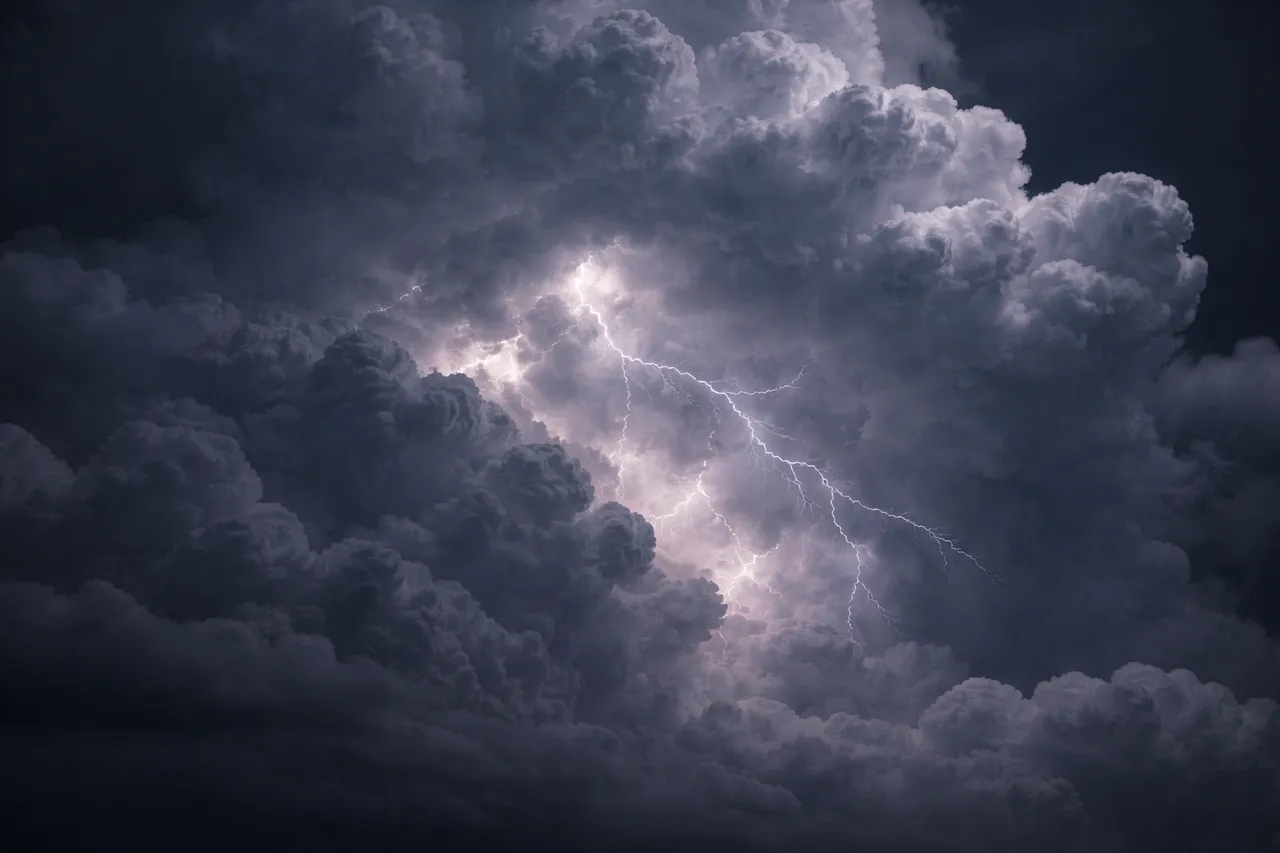
The chances of being struck by lightning are low in absolute terms – but they are not fixed. Baseline odds depend on where you live and how much time you spend outdoors. Behavior during thunderstorms is what moves individual risk from statistical to real.
How Likely It Is to Be Struck by Lightning
The odds of being struck by lightning over a lifetime in the US sit around 1 in 15,000. In any given year, the probability is far lower – closer to 1 in a million. Those numbers sound reassuring until the activity context is added.
Around 25 million lightning strikes hit the ground in the US annually. Fatalities run at 20 to 30 per year. The low death count reflects both the genuine rarity of direct strikes and the fact that most people are indoors or under cover when storms pass. The chances of getting struck by lightning rise sharply the moment that changes – when someone stays outside as a storm develops overhead rather than seeking shelter.
The baseline odds assume average behavior across a population. Individual chance of being struck by lightning climbs well above that average in specific situations – most of them avoidable.
Outdoor Exposure During Thunderstorms
Remaining outside as a storm arrives is the single largest risk factor. Most lightning fatalities in the US occur during leisure activities – fishing, camping, hiking, and outdoor sports – where people are away from substantial shelter when conditions change.
The pattern is consistent: strikes happen when people underestimate how quickly a storm closes in or delay seeking cover because conditions look manageable. By the time lightning is visibly close, the risk has already been elevated for several minutes.
Open Areas, Water, and Tall Objects
Flat open ground, hilltops, water surfaces, and isolated tall structures all increase strike probability. The physical principle is straightforward – lightning follows the path of least resistance to the ground, and anything that reduces that path becomes a preferred target.
Standing under an isolated tree during a storm is one of the most dangerous positions available. The tree attracts the strike, and ground current spreads outward from the base in all directions. Anyone within several meters of the trunk is at risk from that current even without a direct hit.
Check thunderstorm forecasts on MeteoFlow before outdoor activities to know when lightning risk is elevated in your area.
Why Lightning Injuries Still Happen
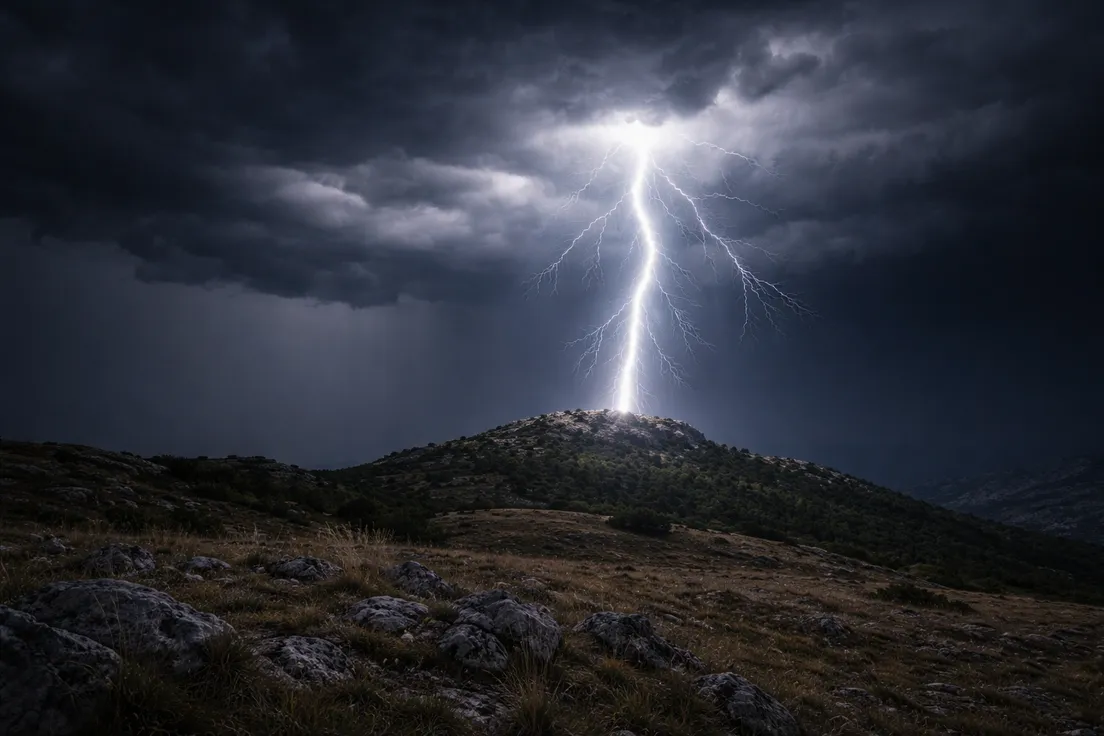
Low overall odds do not explain why lightning injuries continue to occur regularly. The answer lies in how strikes actually reach people – and direct contact is rarely the mechanism.
Direct strikes account for around 5% of lightning casualties. The majority come from ground current – the electrical charge that spreads outward from a strike point across the surface and through the soil. Anyone within 10 meters of where lightning hits the ground can be affected without the bolt coming anywhere near them.
Side flash – where current jumps from a struck object to a nearby person – and contact voltage – where current travels through an object someone is touching – account for most of the remainder. A single lightning strike can injure multiple people through these indirect mechanisms simultaneously.
How to Stay Safe When Lightning Is Nearby
Substantial shelter means a building with plumbing and wiring – not a tent, a car shelter, or an open structure. Once inside, avoid contact with electrical appliances, plumbing fixtures, and corded phones until the storm has fully passed.
On open ground, move away from water, hilltops, and isolated tall objects immediately. If no shelter is reachable, avoid being the highest point in the landscape. Crouching low reduces exposure but does not eliminate ground current risk – the priority is always to reach a solid building or a fully enclosed metal vehicle.
The chance of getting struck by lightning does not drop to baseline the moment thunder stops. Lightning can strike up to 15 km ahead of a visible storm and behind one that appears to have passed. Waiting 30 minutes after the last thunder before returning outside accounts for that range.
Use MeteoFlow to monitor storm conditions and lightning risk before and during outdoor activities in your area.
FAQ
Does lightning usually strike people directly or indirectly?
Mostly indirectly. Direct strikes account for around 5% of casualties. Ground current, side flash, and contact voltage cause the remainder – meaning a strike nearby carries real risk even without direct contact.
Is it safer to stay indoors during a thunderstorm?
Yes. A substantial building with plumbing and wiring provides effective protection. Avoid contact with electrical appliances, plumbing, and corded phones while the storm is overhead.
Can lightning strike the same place more than once?
Yes. Tall structures are struck repeatedly. The Empire State Building is hit around 20 to 25 times per year. Height and exposure determine strike frequency, not any principle of randomness.
Are some activities more dangerous during lightning storms?
Yes. Fishing, golf, hiking, and open-water swimming carry higher risk because they combine outdoor exposure with open or elevated terrain and often place people far from substantial shelter when conditions change.
