Coldest Place in the World: Where Earth's Lowest Temperatures Occur
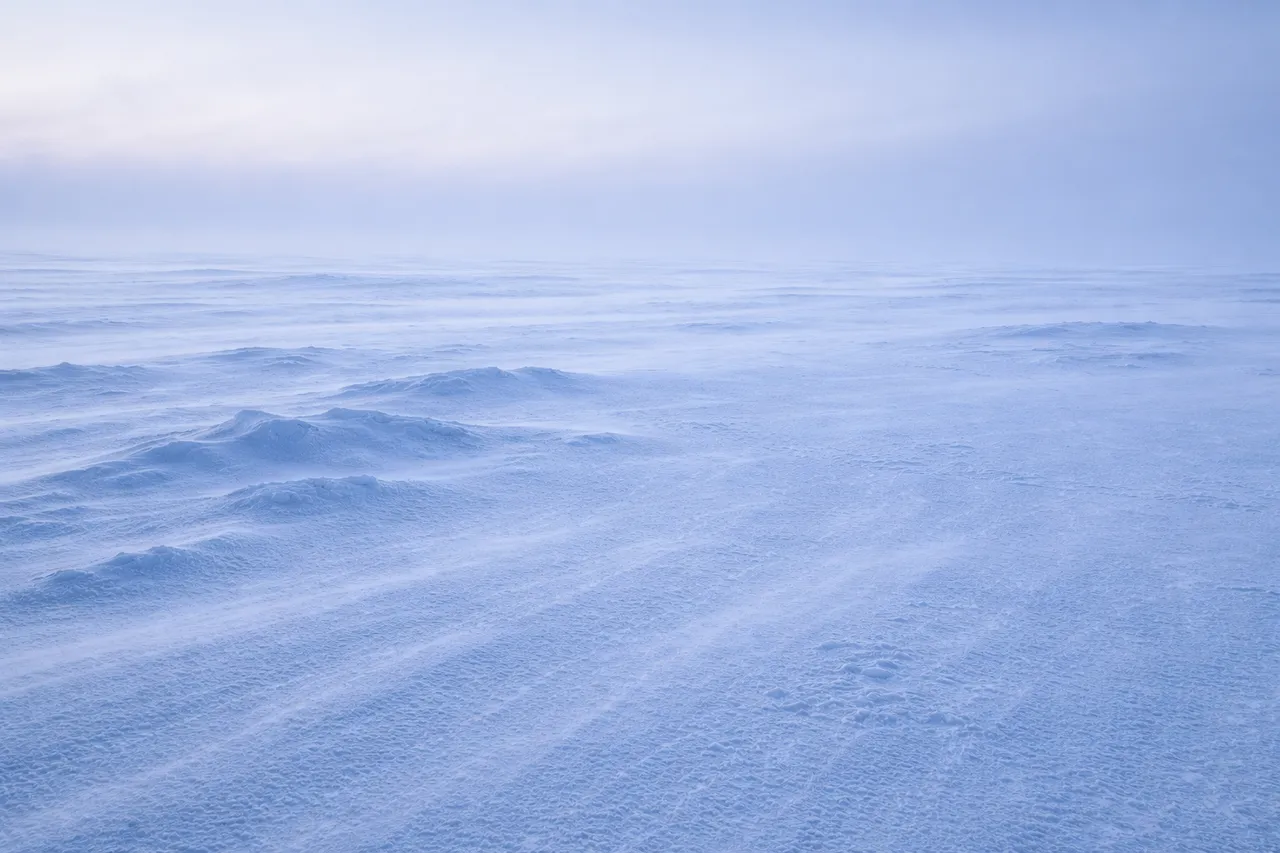
The coldest place in the world is the Eastern Antarctic Plateau, where temperatures drop below -90°C during polar winter. No other region on Earth sustains cold of this magnitude for months at a time. The factors behind it – elevation, polar night, and reflective ice – combine in a way that no other location on the planet replicates.
The coldest place on Earth by official measurement sits at Vostok Station, deep in East Antarctica. But permanent human settlement reaches its own extreme thousands of kilometers away, in the river valleys of eastern Siberia.
Where the Coldest Place on Earth Is Located
The Eastern Antarctic Plateau is not a single point but a vast elevated ice sheet stretching across the interior of the continent. It is the geographic foundation behind why the coldest place on Earth produces temperatures that no other region approaches.
The Eastern Antarctic Plateau
The plateau sits at an average elevation above 3,500 meters – higher than most Alpine peaks. That altitude alone suppresses temperature significantly before any other factor applies. Combined with a location far from any ocean and no terrain to interrupt cold air accumulation, the surface conditions here have no parallel elsewhere on the planet.
The ice sheet extends for thousands of kilometers in every direction from the pole. There are no coastal weather systems reaching this far inland, no liquid water nearby to moderate temperatures, and no elevation change to force air movement that might mix warmer air downward.
Why Antarctica Reaches Extreme Temperatures
Three physical factors compound each other on the plateau. Elevation keeps baseline temperatures low. Polar night removes solar input entirely for months – the surface receives no warming radiation and loses heat continuously through the long winter darkness.
The third factor is albedo. Antarctic ice reflects up to 90% of incoming solar radiation back into space. The open ocean absorbs around 94% of the same radiation. That difference means almost no solar energy reaches the surface even during the brief Antarctic summer. The plateau absorbs heat so poorly that even sunlight barely interrupts the cold.
Coldest Temperature in the World Ever Recorded
Two measurements define the lower boundary of Earth's temperature range – one from a ground station, one from satellite data. Both sit in East Antarctica, and both represent the coldest temperature in the world under different measurement standards.
Record Temperature at Vostok Station
On 21 July 1983, instruments at Vostok Station recorded -89.2°C – the lowest air temperature ever confirmed by a surface weather station. The Russian-operated station sits at 3,488 meters elevation on the East Antarctic Plateau, far from any coastline or geographic feature that might moderate conditions.
Vostok holds another distinction beyond the temperature record. It sits directly above Lake Vostok – one of the largest subglacial lakes on Earth, extending roughly 250 kilometers in length beneath the ice. The lake remains liquid despite surface temperatures that would freeze almost any known substance, kept from freezing by geothermal heat from below and the insulating pressure of the ice sheet above.
Satellite Measurements in East Antarctica
In 2013, satellite thermal imaging recorded surface temperatures of -93.2°C across a series of small valleys on the East Antarctic Plateau – lower than the Vostok figure by four degrees. The readings have not been accepted as an official meteorological record because no ground station was present to confirm them.
The distinction matters technically. Satellites measure surface skin temperature – the temperature of the ice itself at the very top layer. Official meteorological records use air temperature measured at a standard height above the surface. At extreme cold, those two figures can differ meaningfully, which is why the two records exist side by side without one replacing the other.
Check temperature records and extreme weather conditions across different regions on MeteoFlow.
Coldest Inhabited Place on Earth
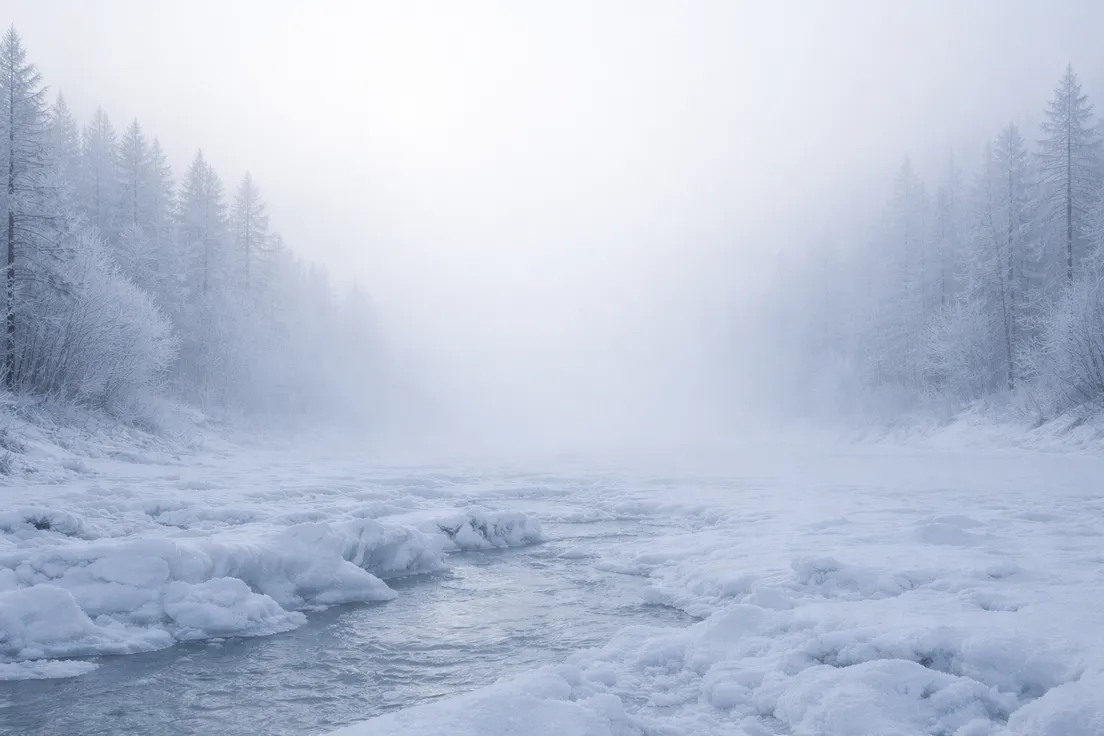
Antarctica holds the absolute records, but no one lives there permanently. The coldest inhabited place on Earth shifts the question toward communities that have maintained year-round settlement under sustained extreme cold – and both answers point to eastern Siberia.
Yakutsk: The Coldest City
Yakutsk sits in the Sakha Republic in northeastern Russia, with a population above 300,000. Average January temperatures hover around -40°C, and readings below -50°C occur regularly through the winter months. It is the largest city on permafrost anywhere on the planet.
Construction in Yakutsk follows the permafrost directly. Buildings stand on stilts driven deep into frozen ground – direct contact between a heated structure and permafrost would transfer warmth downward, destabilizing foundations as the ground thaws beneath them. The entire urban infrastructure is engineered around the cold rather than against it.
Oymyakon: The Coldest Habitable Settlement
Around 500 people live permanently in Oymyakon, a village roughly 900 kilometers northeast of Yakutsk. In February 1933, a temperature of -67.7°C was recorded there – the lowest confirmed reading for any permanently inhabited settlement on Earth.
The village sits in a geographic basin, and that topography drives its extreme readings. Cold dense air drains from the surrounding slopes overnight and accumulates on the valley floor. The coldest habitable place on Earth is not just cold because of its latitude – it is cold because the terrain channels and concentrates frigid air in a way that nearby areas at the same latitude do not experience.
What Life Is Like in the Coldest Habitable Places
Daily life in Yakutsk and Oymyakon operates around one fixed constraint: the cold is not a seasonal inconvenience but a permanent engineering and logistical condition.
Car engines run through the night in winter. Switching off a vehicle at -45°C risks it not starting again – fuel thickens, metal contracts, and batteries lose capacity rapidly at those temperatures. Residents plan around this. Parking indoors or keeping engines idling overnight is standard practice, not a precaution.
Food preservation works in reverse of most climates. Outdoor temperatures stay low enough through winter to freeze anything left outside within minutes. Markets in Yakutsk sell frozen fish and meat outdoors, stacked without refrigeration, because the air itself functions as a freezer for months at a time.
At -50°C, exposed skin develops frostbite in under two minutes. Exhaled breath freezes before fully leaving the mouth. Eyelashes ice over within seconds outdoors. These are not extreme conditions for residents – they are the baseline that daily clothing, architecture, and routine are built around.
Explore temperature forecasts and current weather conditions for any location on MeteoFlow.
FAQ
How cold can a human survive in extreme temperatures?
Core body temperature below 28°C is life-threatening regardless of external conditions. Survival depends on clothing, wind exposure, and duration – a person properly equipped can function at -50°C where an unprepared one would not survive an hour.
Why do extremely cold places often have very dry air?
Cold air holds very little water vapor. At -40°C the atmosphere carries almost no moisture, making the air extremely dry regardless of how much snow surrounds the area. Humidity and temperature are directly linked – as one drops, so does the other.
What happens to the human body in extreme cold?
Blood redirects from the extremities toward core organs to protect vital functions. Fingers and toes lose sensation first. Cognitive function slows as core temperature drops. At severe exposure, tissue in unprotected areas freezes within minutes and circulation to limbs can fail entirely.
Why does temperature sometimes feel colder than the actual reading?
Wind accelerates heat loss from exposed skin faster than still air at the same temperature. The feels-like figure – wind chill – reflects how quickly the body loses heat rather than the air temperature itself. At high wind speeds, the difference between actual and felt temperature can exceed 20°C.
