High Tide vs Low Tide: What Is the Difference?
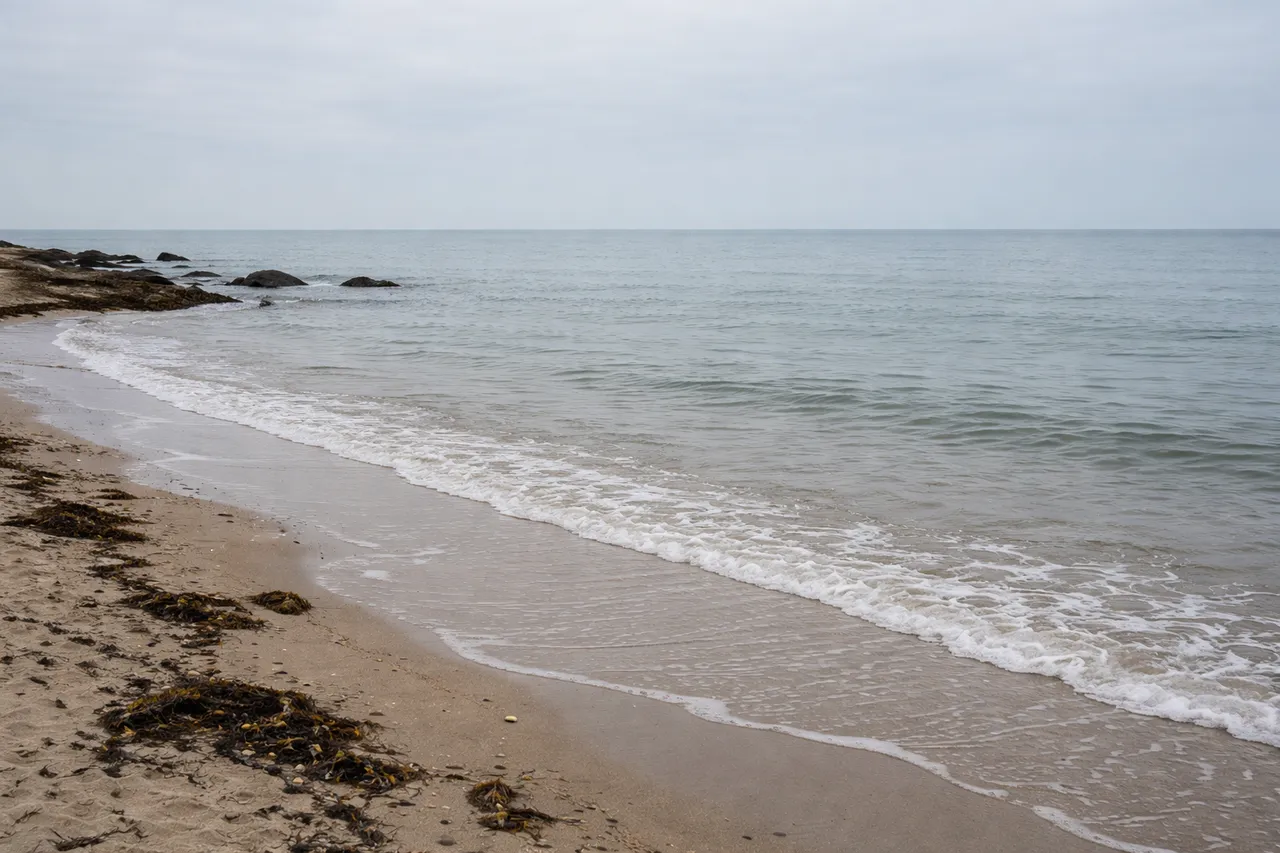
Standing at the coast, the difference is visible within hours. The sea covers the beach, then retreats. High tide meaning in practical terms is the point where sea level reaches its highest position on the shore. Low tide meaning is the opposite – water pulls back to its lowest point, exposing sand, rock, and seabed that was fully submerged before.
The high tide vs low tide cycle is driven by gravitational forces, primarily from the moon. That pull stretches the ocean in predictable patterns, and most coastlines move through both states twice within every 24-hour period.
What Does High Tide and Low Tide Mean
Tidal states are not just about water depth. They change what the coastline looks like, what activities are possible, and how coastal infrastructure functions.
High Tide Meaning
At high tide, water reaches its furthest point up the shore. Beaches narrow or disappear entirely. Rock formations that are accessible at other times sit submerged. Water level against piers, sea walls, and harbor structures is at its peak for that tidal cycle.
What does high tide mean in measurable terms depends heavily on location. The Bay of Fundy in Canada has the world's largest tidal range – over 16 meters between high and low water. At high tide there, the water level against coastal cliffs reaches heights that expose entirely different geology than what is visible six hours later. Most coastlines see far more modest ranges, but the principle is the same.
Low Tide Meaning
When the tide is at its lowest, the sea pulls back to reveal what sits beneath it at other times. Sandbars emerge, rock pools become accessible, and tidal flats extend outward from the original shoreline. The exposed seabed can stretch hundreds of meters in locations with large tidal ranges.
What does low tide mean for the people who live and work along the coast is often as significant as high tide. Shellfish gatherers, fishermen working shallow areas, and anyone navigating a boat through a harbor with a shallow approach all read low tide times as carefully as high. The exposed zone between the two tidal marks is one of the most biologically productive environments on the planet.
What Causes High Tide and Low Tide
The mechanism behind low tide and high tide is gravitational – but the way that gravity produces two tidal cycles per day rather than one is less intuitive than it first appears.
The Role of the Moon and Gravity
The ocean facing the moon sits closer to it than the rest of Earth's surface. That proximity means the moon pulls on it more strongly, and the water bulges outward. On the opposite side of the planet, a second bulge forms – not because the moon pulls that water toward it, but because inertial forces push it away as Earth and moon orbit their shared center of mass. Two high tides result from one orbital relationship.
The sun plays a supporting role. Its tidal influence runs at roughly 46% of the moon's – significant enough to shift tidal ranges noticeably depending on alignment. At new and full moon, the sun and moon pull in the same direction and tidal ranges grow. At quarter moon, the angle between them reduces the combined effect and ranges shrink.
Why Tides Change Throughout the Day
Most coastlines experience two high tides and two low tides within a single day. The interval between them runs closer to 12 hours and 25 minutes than to a clean 12. That 25-minute gap is small, but it compounds.
The moon orbits Earth in the same direction Earth rotates. Each day, the tidal bulge moves slightly ahead of where it was the day before. A coastline that lined up with it at 08:00 on Monday needs extra time to catch it on Tuesday – about 50 minutes more. Check the tide table for any location across a week and the pattern is visible immediately: each high tide arrives later than the one before it.
Difference Between High Tide and Low Tide
The difference between high tide and low tide is most visible at the shoreline, but it extends into navigation, ecology, and coastal infrastructure in ways that go beyond what the eye sees from the beach.
Changes in Water Level and Shoreline
Tidal range – the vertical distance between high and low water – determines how dramatically a coastline transforms between the two states. Where tidal range is under one meter, the difference is subtle. Where it reaches 10 meters or more, the same stretch of coast becomes almost unrecognizable within a few hours.
Mont Saint-Michel in northwestern France illustrates this at an extreme. At high tide, the island sits surrounded by water with no dry approach. At low tide, the sea retreats across a wide expanse of sand, and the island becomes accessible on foot. The tidal range there reaches up to 14 meters – one of the largest in Europe – and the transformation happens twice every day.
How Tides Affect Coastal Areas
Fishing, navigation, swimming, and coastal construction all operate around tidal states. Harbors with shallow approaches are only accessible near high tide for vessels with significant draft. Attempting entry at low tide risks grounding on the seabed that was fully submerged hours earlier.
Some of the world's busiest commercial ports, including those in the Thames Estuary, schedule large vessel movements around predicted high tide windows. The tidal window for a fully loaded container ship may be only a few hours in each cycle. Missing it means waiting for the next high tide – roughly 12 hours later – regardless of schedule or cargo urgency.
How Often Do High and Low Tides Occur
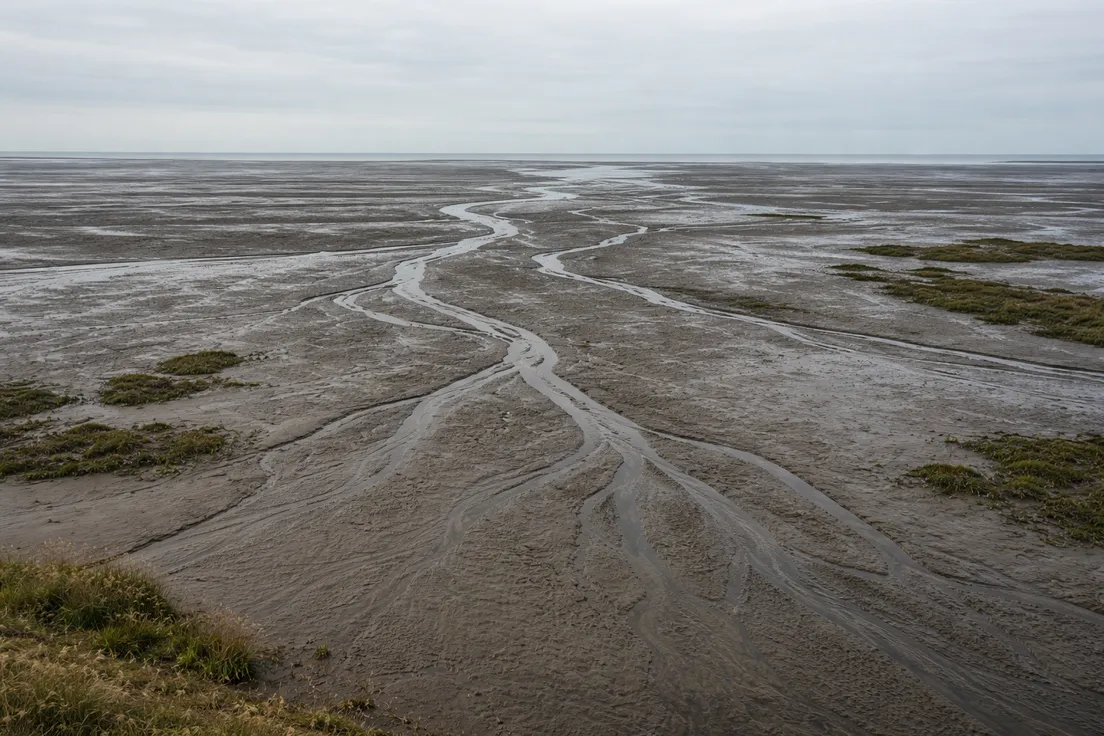
Tidal frequency varies by location. Most coastlines follow a predictable pattern, but the number of tidal cycles per day is not the same everywhere – local geography and ocean basin shape both influence how tides behave at a specific point on the coast.
Daily Tidal Cycles
Most coastlines experience semidiurnal tides – two high tides and two low tides within approximately 24 hours. Some regions have diurnal tides, with only one high and one low per day. Others experience mixed tides, where two cycles occur but with unequal heights between successive highs or lows.
The Gulf of Mexico has predominantly diurnal tides – one high and one low per day – while the English Channel has semidiurnal tides with two of each. Both coastlines sit on the same planet responding to the same moon, but the shape of their ocean basins and the geometry of their coastal geography produce fundamentally different tidal rhythms. A sailor moving between the two regions has to adjust their expectations entirely.
Why Tide Times Shift Each Day
The 50-minute daily shift in tide times means that a high tide at 08:00 on Monday arrives closer to 08:50 on Tuesday and around 09:40 on Wednesday. Over a week, the shift accumulates to nearly six hours. Over a full lunar month of approximately 29.5 days, tidal times cycle through all hours of the day.
A location that has high tide at noon in one week may have high tide at midnight three weeks later. For anyone planning regular coastal activity – fishing trips, dive schedules, harbour departures – monthly tide tables are more useful than checking one day at a time. The pattern is entirely predictable, but it requires tracking rather than assuming consistency from one day to the next.
Use MeteoFlow to track coastal weather conditions and plan your time at the coast around accurate forecasts.
FAQ
Can tides be different in different parts of the world?
Yes. Tidal range, frequency, and timing all vary by location. The high tide vs low tide difference in the Bay of Fundy exceeds 16 meters, while parts of the Mediterranean experience tidal ranges under 30 centimeters. Ocean basin shape, coastal geometry, and water depth all influence local tidal behavior.
What is a spring tide and neap tide?
Spring tides occur at new and full moon when the sun and moon align – their combined gravitational pull produces larger tidal ranges. Neap tides occur at quarter moon phases when sun and moon sit at right angles, partially canceling each other's effects and producing smaller ranges.
Why does the moon have a stronger effect on tides than the sun?
Tidal force depends more on distance than mass. The moon is far closer to Earth than the sun, giving it roughly twice the tidal influence despite being vastly smaller. The sun contributes about 46% of the moon's tidal effect – significant, but secondary.
How do tides affect marine life and coastal activities?
Intertidal zones support species adapted to alternating exposure and submersion twice daily. Fishermen, divers, and surfers plan around tidal states. Shorebirds feed on organisms exposed at low tide. Coastal ecosystems are structured around the predictable rhythm of tidal cycles rather than random water level changes.
