When Is the Shortest Day of the Year and Why Does It Happen?
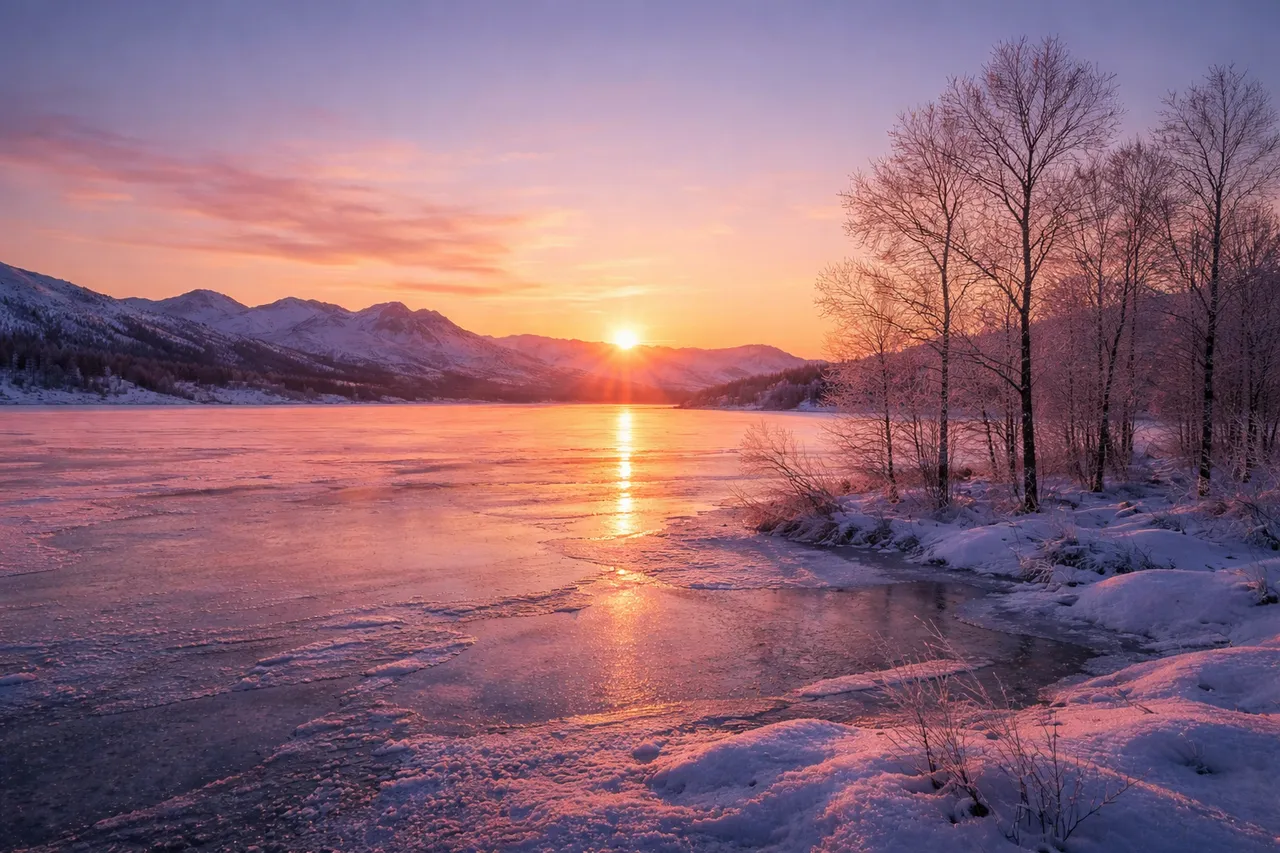
In the Northern Hemisphere, the shortest day of the year arrives at the winter solstice, usually in late December. That is the point when daylight drops to its lowest level and the day is at its briefest.
The reason is straightforward. Earth is tilted on its axis, so at this stage of the year the Sun travels a lower path across the sky and stays above the horizon for less time. If you have been wondering when is the shortest day of the year, it always comes back to that seasonal position. The sections below explain the timing, why the date can shift slightly, and what happens once daylight starts to grow again.
What Is the Winter Solstice?
The winter solstice is the moment when the Sun reaches its southernmost apparent position in the sky for the Northern Hemisphere. At that point, the Sun's daily path is at its lowest arc above the horizon. Because of this geometry, daylight lasts for the shortest time of the entire year. In practical terms, the winter solstice marks the annual turning point when the length of daylight stops decreasing and begins to increase again.
Another way to understand this pattern is by looking at how Earth moves around the Sun. The planet rotates on an axis that is tilted by about 23.5 degrees rather than standing straight. As Earth travels along its orbit, this tilt changes how directly sunlight reaches different parts of the planet. During this period of the year, the Northern Hemisphere is angled slightly away from the Sun. Because of that orientation, the Sun appears lower in the sky and remains above the horizon for a shorter time during the day.
When Is the Shortest Day of the Year?
Most of the time, December 21 or 22 is the shortest day of the year in the Northern Hemisphere. Based on the year and time zone where you live, the exact date may be a little off. If you want to know when the shortest day of the year is, it's usually one of those two times in late December.
From an astronomical point of view, the solstice is a unique moment in time, not a whole day. This event takes place when the Sun is farthest south from the equator. That moment happens all over the world at the same time. Since different places have different time zones, the date on the calendar for that event may look different based on where you are.
Why Does the Winter Solstice Date Change?
The winter solstice date does not stay exactly the same every year. The Earth requires approximately 365.24 days to complete a single circle around the Sun. The calendar's 365-day standard year causes the additional fraction to progressively alter the time of astronomical occurrences, including the solstice.
Leap years correct that difference. Every four years, an extra day is added to the calendar in February. This adjustment keeps the calendar aligned with Earth's orbit and prevents seasonal events from drifting through the months. As a result, the winter solstice usually appears on December 21 or 22 rather than remaining fixed on a single date.
To see how this timing affects your location, check the local winter solstice sunset time and total daylight length for your city on MeteoFlow.
Why Is the Winter Solstice the Longest Night of the Year?
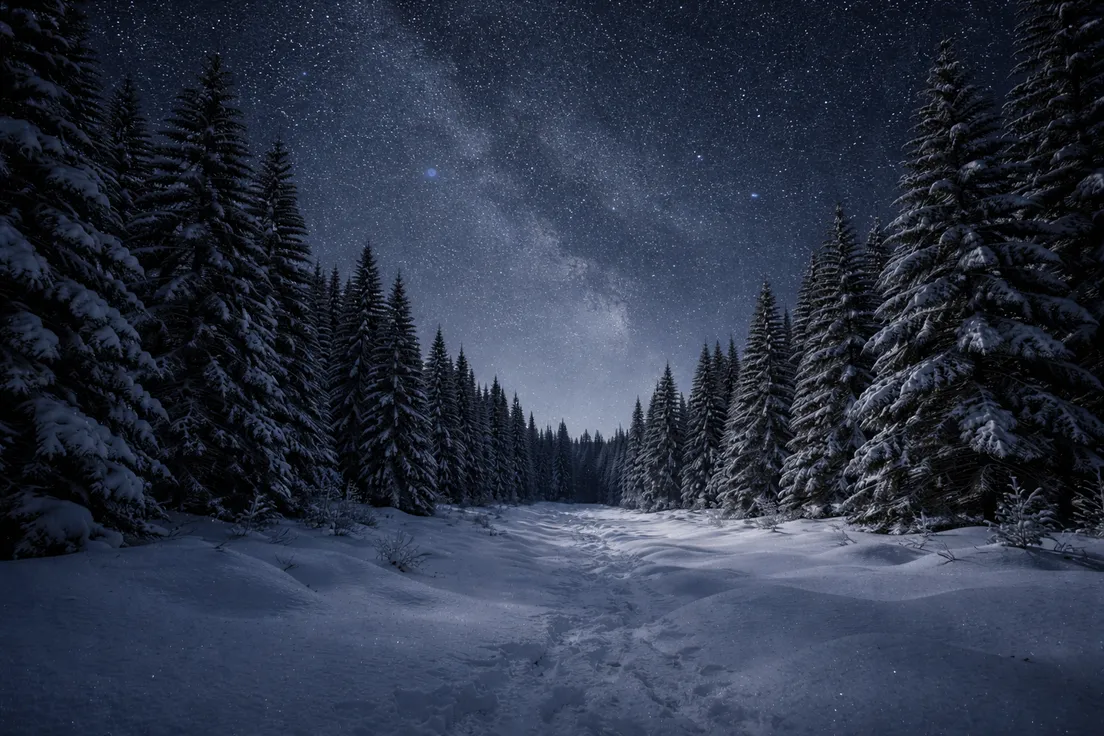
The winter solstice is associated with the longest night of the year because the balance between light and darkness shifts to its yearly extreme. A full day still lasts twenty-four hours. When daylight reaches its shortest duration, the remaining hours are taken up by darkness, which produces the longest nighttime period of the year.
You can see this clearly in the timing of sunrise and sunset. Around the solstice the Sun appears later in the morning and disappears earlier in the afternoon. Its path across the sky stays lower than during other seasons. With less time between sunrise and sunset, the overnight period naturally becomes the longest of the year.
How Long Is the Shortest Day of the Year?
The length of the shortest day of the year is not the same everywhere. It depends largely on latitude. Locations near the equator experience only small seasonal changes in daylight, so the difference between summer and winter days is limited. Farther north or south, the contrast becomes much stronger and winter days grow noticeably shorter.
Because of this, daylight on the shortest day of the year can vary widely between cities. A place in southern Europe may still receive several hours of daylight, while locations much farther north may see only a brief period of light. In some areas within the Arctic Circle, the Sun may not rise at all on that day.
When Does It Start Getting Lighter After the Winter Solstice?
The short answer is that daylight begins to increase immediately after the winter solstice. If you are asking when does it start getting lighter, the change starts the very next day. However, the increase in daylight is very small at first, which is why many people do not notice the shift right away.
In many locations, mornings may still appear very dark for some time after the solstice. Sunrise and sunset do not always move at the same pace, so the pattern can feel uneven. Sunset may begin to occur slightly later while sunrise remains late for a period, creating the impression that daylight has not changed much.
Looking at local sunrise, sunset, and total day-length data makes the shift easier to see. Even small daily increases become clear when you compare the timing from one day to the next.
Does the Winter Solstice Mark the Start of Winter?
By the astronomical definition, winter begins at the winter solstice. This moment marks the point when the Sun reaches its lowest apparent position in the sky for the Northern Hemisphere. From that point onward, daylight slowly begins to increase again.
Meteorologists use a different system. In weather records, winter starts on December 1 and runs through the end of February. This method divides the year into full three-month seasons, which makes long-term climate data easier to compare and analyze.
Check the current forecast, sunset time, and daylight length for your location on MeteoFlow. Local weather data makes it easier to track seasonal changes and see how daylight and winter conditions develop in your area.
FAQ
Why is the shortest day of the year different in the Southern Hemisphere?
Seasonal patterns work in opposite directions in the two hemispheres. When the shortest day of the year occurs in the Northern Hemisphere in December, the Southern Hemisphere experiences the opposite phase of the seasonal cycle. At that time, southern regions receive the most daylight of the year, while northern regions receive the least.
How much daylight do we gain each day after the solstice?
The gain starts small. If you are asking when does it start getting lighter, the change begins right after the solstice, but at first it may be only a few seconds per day. Later, that increase often grows to around one or two minutes a day, depending on latitude. The exact pace is different from place to place, which is why local sunrise and sunset data are more useful than a general estimate.
Is the winter solstice the same as the first day of meteorological winter?
No. The winter solstice date marks the start of astronomical winter, which is based on Earth's position in orbit. Meteorological winter follows a fixed calendar and begins on December 1 in the Northern Hemisphere. Weather services use that system because it keeps seasonal records consistent from year to year.
