Typhoon Ragasa: Path, Impact and Affected Areas
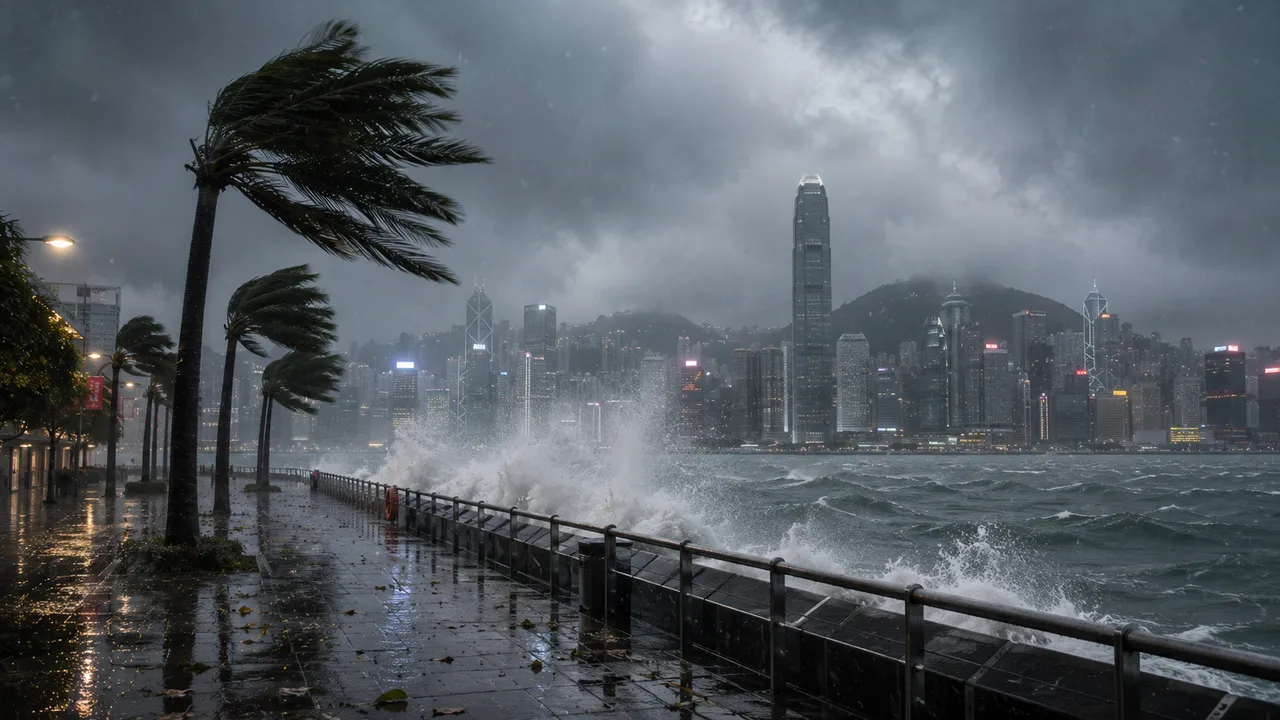
Forty people died and over 2.86 billion USD in damage resulted from a single storm that crossed the western Pacific in nine days. Typhoon Ragasa formed on September 17, 2025 and reached Category 5 strength before striking the Philippines, Taiwan, Hong Kong, and southern China in succession. It was the strongest super typhoon of the year – and one of the most damaging tropical cyclones to hit the region in recent years.
What Is Super Typhoon Ragasa
What is super typhoon Ragasa in meteorological terms? It was the 18th named tropical cyclone of the 2025 Western North Pacific season, reaching Category 5 equivalent strength with maximum sustained winds of 270 km/h according to the Joint Typhoon Warning Center. Known as Super Typhoon Nando in the Philippines, it ranked as the second most intense tropical cyclone globally in 2025.
Ragasa Typhoon Path
The storm emerged on September 18 in the western Pacific Ocean, a few hundred miles east of the Philippines, and underwent rapid intensification before reaching Category 5 strength. The Ragasa typhoon path took it northwest – making landfall on Panuitan Island in the Babuyan Islands in the Philippines on September 22, then tracking toward Taiwan before striking the Pearl River Delta in Guangdong province, China, on September 24.
Typhoon Ragasa Affected Area
The typhoon Ragasa affected area spanned multiple countries across East and Southeast Asia. The Philippines, particularly northern Luzon; Taiwan, particularly Hualien County; Hong Kong; Macau; South China; Vietnam; Laos; Cambodia; and Thailand all experienced direct or indirect impacts from the storm system.
What Damage Did Typhoon Ragasa Cause
About two million people were evacuated from Guangdong province ahead of the landfall. In Taiwan, 18 people were killed and 6 remained missing, with agricultural damage estimated at NTD 599 million. In Hong Kong, 101 people were injured, including 3 swept into the sea by waves. In Macau, low-lying areas flooded with water levels reaching 1.5 metres.
Track live typhoon forecasts and storm paths during severe tropical cyclone events on MeteoFlow.
Who Named Typhoon Ragasa
Who named Typhoon Ragasa? The name Ragasa was contributed by the Philippines to the Typhoon Committee of the World Meteorological Organization, which maintains the rotating list of names for western Pacific storms. In the Philippine naming system it was called Nando.
Why Super Typhoons Become So Dangerous
After periods of rapid intensification that brought it to Category 5 strength, the storm lashed northern Luzon and Taiwan on September 22, causing floods, landslides, and damage to crops and property. Warm ocean surface temperatures above 26°C fuel rapid intensification – the same La Niña conditions that drove Ragasa's development were also responsible for elevated typhoon formation rates across the basin in 2025.
Use MeteoFlow to monitor typhoon forecasts and track changing coastal weather conditions during storm season.
FAQ
What category was Super Typhoon Ragasa at peak intensity?
Category 5 equivalent – 270 km/h sustained winds and a central pressure of 910 hPa at its strongest point. No other typhoon in the Western North Pacific reached that intensity in 2025. Globally, only one tropical cyclone that year exceeded it.
Why did Typhoon Ragasa strengthen so quickly?
Two conditions aligned: sea surface temperatures were running above normal due to La Niña, and wind shear along the storm's track stayed low. A typhoon moving through undisturbed warm water with nothing to disrupt its structure has everything it needs to intensify fast – Ragasa had both.
How fast were the winds inside Typhoon Ragasa?
At landfall on Panuitan Island in the Philippines, Ragasa carried core wind speeds of around 215 km/h with top winds reaching 295 km/h. At peak intensity over open water, sustained winds reached 270 km/h according to JTWC.
Why are coastal regions especially vulnerable during super typhoons?
Coastal areas face storm surge, wave action, and flooding simultaneously rather than separately. In Yangjiang City, Guangdong, aquaculture infrastructure was destroyed and deep-sea fish products were swept into the sea. Low elevation means even moderate surge heights cause extensive inundation.
Can climate conditions increase the intensity of super typhoons?
Warmer ocean temperatures increase the energy available to developing storms. La Niña events shift warm Pacific water westward, placing it directly in the path of typhoons forming east of the Philippines and extending the window for intensification before any landfall.
How do meteorologists track typhoon paths across the Pacific?
Satellite imagery, weather buoys, reconnaissance aircraft, and numerical weather models are all used continuously throughout a storm's lifecycle. The Japan Meteorological Agency and the Joint Typhoon Warning Center issue regular position and intensity updates as a typhoon develops and moves.


