Which weather forecast details matter most when planning a bike ride?
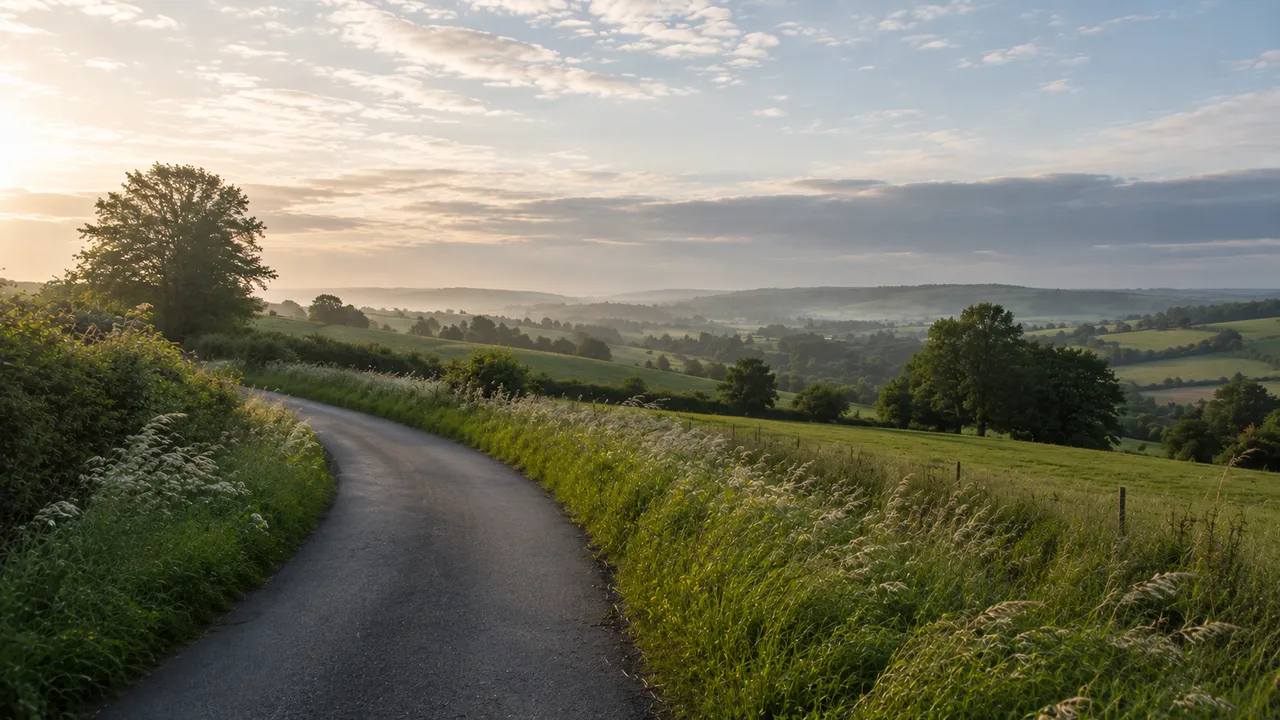
Wind, rain timing, temperature, visibility and active warnings are what a cycling weather forecast check covers before a ride. A 20-minute commute and a five-hour road ride pull different details from the same forecast – and the rider's experience, route exposure and bicycle type shift which numbers actually matter.
Match the Weather Forecast to Your Route and Ride Length
A short ride close to home runs mostly through the conditions showing at departure. Longer bike ride weather planning works differently: if the route reaches an exposed climb at 10 a.m., what the forecast shows at that location at that hour matters more than what the app displayed when the front door opened.
The finish may sit under completely different wind or rain than the start. On an out-and-back, the turnaround conditions can differ from both ends. A ride of more than an hour or two reads as a sequence of locations and times rather than a single forecast number at departure.
How Wind Speed, Gusts and Direction Affect a Bike Ride
Sustained speed, gust peak and direction are three separate numbers in a wind forecast. Most weather apps display one prominently. The other two often determine how the ride actually feels.
Compare Sustained Wind with Gusts
A steady breeze on a sheltered section of road may register as background effort. The same forecast reading at an exposed bridge or a gap between buildings produces something different – a short gust above the mean speed that demands an active correction rather than a minor adjustment.
Check the Wind Direction for the Outbound and Return Ride
On a 20-mile out-and-back, a tailwind on the first half can make the pace unusually comfortable. Turn around and that same airflow becomes a headwind – pace drops, effort rises, and the return takes considerably longer than the outbound time suggested it would.
Winding roads shift the equation further. The same wind can cycle between tailwind, crosswind and headwind several times before the ride ends. Checking the forecast arrow against the actual route rather than the daily summary gives a more accurate picture of the energy budget for the full trip.
How to Read Rain Forecasts Before Cycling
Rain probability, timing and intensity need to be read together for weather for cycling decisions. The daily rain symbol alone leaves out the part that most affects the plan.
Look Beyond the Daily Chance of Rain
The useful question before a ride is not whether it rains but when. A shower forecast for 4 p.m. has little effect on a ride finished by 2 p.m. A long band of rain crossing the route during the planned window is a different situation. Closer to departure, radar shows where precipitation is actually developing and moving, which is more reliable than a static icon for making a start-time or route decision.
Check hourly rain timing and wind for your route on MeteoFlow before deciding on a start time.
Check Temperature, Feels-Like Conditions and Weather Warnings
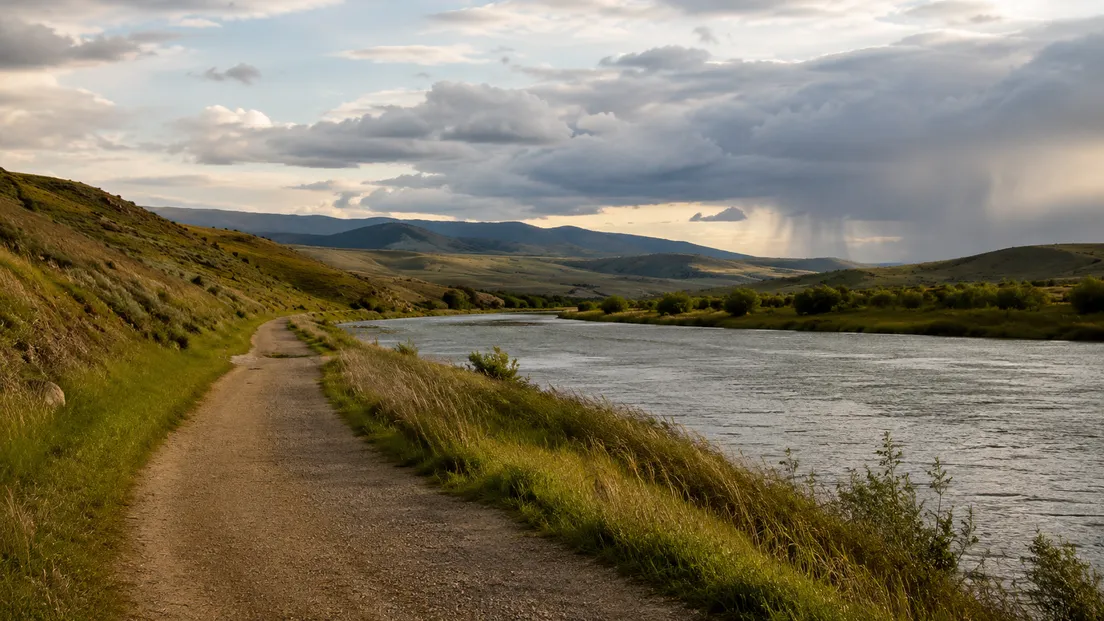
A temperature reading becomes more meaningful once it's attached to time outside and route exposure. Thirty minutes through sheltered city streets and four hours across open farmland are different physical situations at the same air temperature. Wind on an exposed section pushes the feels-like figure well below what the thermometer shows – the Met Office notes that temperature typically falls with altitude at an average of approximately 2°C per 300 metres, so a mild valley start can give a poor impression of conditions at a higher point reached later in the ride.
Visibility can change independently of the rain forecast. Fog settles into low sections and river valleys, heavy rain reduces sight lines on descents, and wet road surfaces persist after the rain icon has cleared. A dry forecast at departure does not describe the pavement on a north-facing road an hour into the ride.
Thunderstorms sit in a different category from rain or wind. The National Weather Service advises moving to a substantial building when storms threaten, noting that lightning can strike outside the precipitation area. A storm window that overlaps the planned ride is not a comfort calculation – postponement removes the risk rather than managing it.
Make a Start-Time, Route or Postponement Decision
Every forecast check comes back to three options: leave at a different time, adjust the route, or postpone. The table below maps the main cycling weather conditions details to what they affect and what can change.
| Forecast detail | What to compare | Possible adjustment |
|---|---|---|
| Sustained wind and gusts | Route exposure and rider experience | Change an exposed section or start time |
| Wind direction | Outbound and return route | Adjust pacing or route |
| Rain timing | Expected ride window | Leave earlier or later |
| Temperature and feels-like | Ride duration and exposed sections | Change timing or clothing |
| Visibility | Route conditions | Delay or choose another route |
| Thunderstorm or warning | Timing and route | Postpone |
Before heading out, check current conditions alongside the hourly cycling weather forecast in the MeteoFlow weather app so the decision at departure reflects what is actually developing rather than what the morning forecast suggested. A favourable forecast does not replace checking road surface conditions, local alerts and the rider's own assessment of the route.
FAQ
Does air quality matter when planning a bike ride?
Harder and longer rides raise breathing rate and keep the rider outside longer, which makes smoke, ozone and fine particles more relevant than during a short commute. The local AQI is worth checking when air quality is poor or a wildfire, overnight inversion or industrial episode is expected to affect conditions during the planned ride window.
How can elevation change the weather along a cycling route?
The Met Office gives an average temperature decrease of approximately 2°C per 300 metres gained in altitude, though the actual rate varies. Cloud cover and wind typically increase with height as well. A valley that reads mild and calm at 8 a.m. can give a completely inaccurate picture of an exposed ridge the route reaches an hour later.
Does cold weather affect an e-bike battery?
Cold reduces battery capacity temporarily. Bosch states that low temperatures increase electrical resistance in their systems, which shortens normal range in winter. Bosch recommends storing and charging the battery at room temperature and fitting it shortly before the ride. Other manufacturers publish separate cold-weather guidance that may set different thresholds.
Why might two weather apps show different wind forecasts?
Forecast models differ in grid resolution, update frequency and how they represent terrain features like ridges, valleys and coastal gaps. One model may smooth over a narrow valley that another resolves differently. Street canyons and tree lines present a similar problem – localised features that influence actual wind conditions but sit below the resolution most forecast grids can capture.


