Weather Seasons in India and Regional Climate Patterns
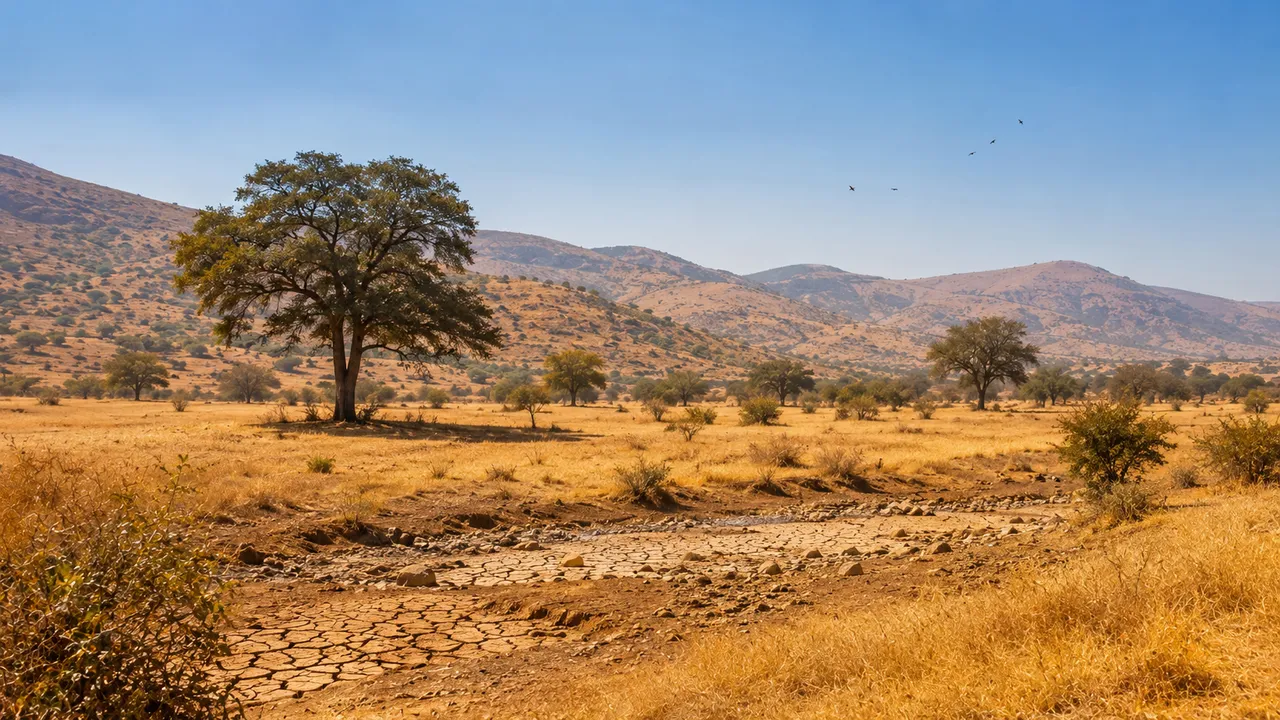
India's climate does not follow a single seasonal pattern. Weather seasons in India vary significantly by region – what counts as winter in Kashmir bears no resemblance to winter in Kerala. The country experiences five broad climatic seasons in India: summer, monsoon, autumn, winter, and spring. Each is shaped by geography, elevation, and the movement of the monsoon system across the subcontinent.
Climatic Seasons in India Explained
Twice a year, the dominant wind direction across the subcontinent reverses. That reversal – the monsoon circulation – combined with the sun's annual movement across the Tropic of Cancer, sets the tempo for India's seasons. The timing and intensity of each season shifts depending on where in the country you are standing when the change arrives.
How Geography Influences Climate
The Himalayas block cold Central Asian air from reaching the plains in winter, keeping northern India warmer than its latitude would suggest. The Western Ghats intercept moisture from the Arabian Sea, creating one of the wettest coastlines on Earth on their windward side and a drier rain shadow on the eastern slopes. Peninsular India, surrounded by ocean on three sides, experiences a more moderate climate than the continental interior.
Summer Season in India
The summer season in India runs roughly from March to June across most of the country. Temperatures rise steadily as the sun moves northward and land surfaces heat faster than the surrounding ocean.
Heat, Dry Weather, and Regional Differences
Northern and central India bear the most intense summer heat. The Indo-Gangetic Plain – stretching across Punjab, Haryana, Uttar Pradesh, and Bihar – regularly records temperatures above 40°C from April onward. Hot, dry winds called loo blow across the plains in May and June, raising both temperature and discomfort significantly.
Southern India experiences a milder transition into summer. Coastal cities benefit from sea breezes that moderate afternoon heat. Cities at elevation, including Bengaluru and Pune, stay cooler than the plains through most of the season.
Hottest Areas During Summer
Rajasthan and the Thar Desert record some of the highest temperatures in India during summer. Churu and Phalodi in Rajasthan have recorded temperatures above 50°C in May – among the highest reliably recorded anywhere in Asia. The absence of vegetation, flat terrain, and low humidity combine to create extreme daytime heat with sharp overnight cooling.
The eastern coast around Odisha and Andhra Pradesh also sees intense heat combined with higher humidity than the northwest, making conditions feel more oppressive even at lower absolute temperatures.
Monsoon Season India
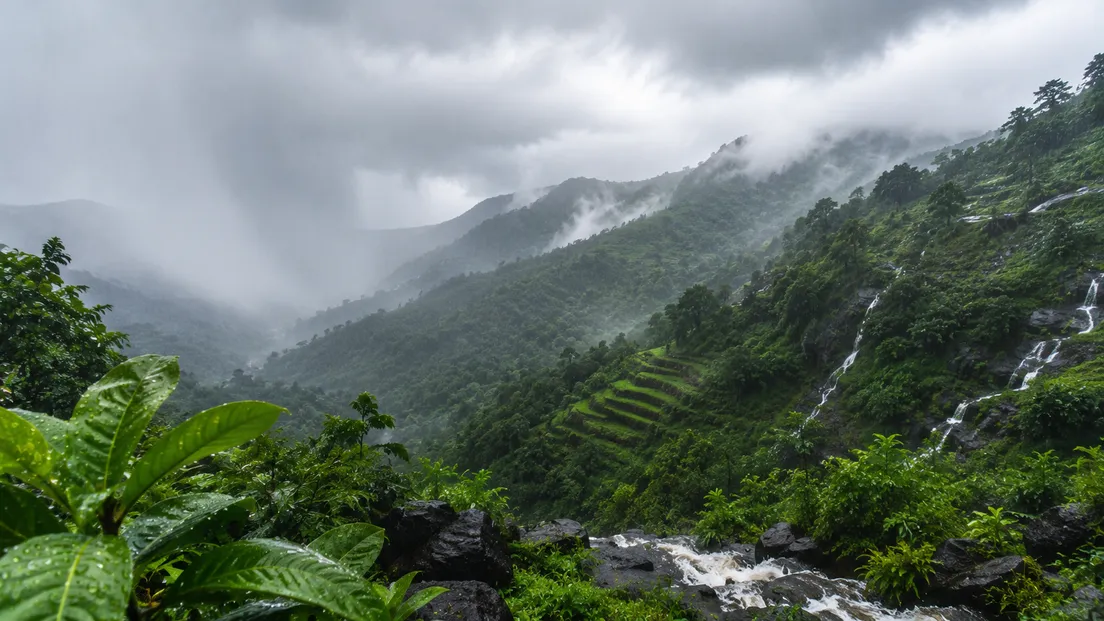
The monsoon season in India is the most transformative weather event in the country's annual cycle. It arrives on the Kerala coast around June 1 and advances northward over six to eight weeks, eventually covering the entire subcontinent before retreating in October.
Southwest Monsoon and Heavy Rainfall
The Southwest Monsoon draws moisture from the Arabian Sea and the Bay of Bengal and delivers it inland as the heated land surface pulls moist ocean air toward it. The Western Ghats receive the first and heaviest rainfall as moisture-laden air is forced upward along their windward slopes. Cherrapunji and Mawsynram in Meghalaya – located on south-facing hills that catch Bay of Bengal moisture – regularly record among the highest annual rainfall totals on Earth.
The monsoon delivers around 70% of India's annual rainfall in four months. Agriculture, reservoir levels, and groundwater recharge across the country depend on its timing and total volume.
Rainy Season India and Flood Risk
The rainy season in India conditions vary by region. The western coast and northeastern states receive the heaviest and most sustained rainfall. The Indo-Gangetic Plain sees significant but less extreme monsoon rainfall, with flooding common in low-lying areas along major rivers including the Brahmaputra, Ganga, and Yamuna.
Urban flooding has intensified in cities like Mumbai, Chennai, and Kolkata as drainage infrastructure struggles to handle peak rainfall events. Mumbai's worst monsoon days can deliver over 200 mm in 24 hours – enough to submerge low-lying roads and halt transport across the city.
Autumn Season in India
The autumn season in India corresponds to the withdrawal of the Southwest Monsoon, which typically begins retreating from northwestern India in September and clears the south by late November.
Retreating Monsoon and Changing Temperatures
As the monsoon retreats southward, it is replaced by the Northeast Monsoon over the eastern coast. Tamil Nadu and parts of Andhra Pradesh receive significant rainfall during October and November from this system – while the rest of the country transitions into dry, cooler conditions.
Temperatures across the north and centre drop noticeably from September onward. The sharp humidity of the monsoon season dissipates, and skies clear. October is widely regarded as one of the most pleasant months across northern and central India – warm but no longer intensely hot, with low humidity and long clear days.
Weather Conditions After the Rainy Season
Post-monsoon conditions across most of India combine residual warmth with low humidity and stable skies. Rivers and reservoirs are full, vegetation is green, and the landscape looks markedly different from the dry, dusty state it was in before the monsoon arrived.
The northeast coast experiences its own wet period during this transition – cyclones forming in the Bay of Bengal occasionally make landfall along Tamil Nadu and Andhra Pradesh between October and December, bringing intense rainfall concentrated over short periods.
Check seasonal forecasts for your destination across India on MeteoFlow before planning your travel.
Winter Season in India
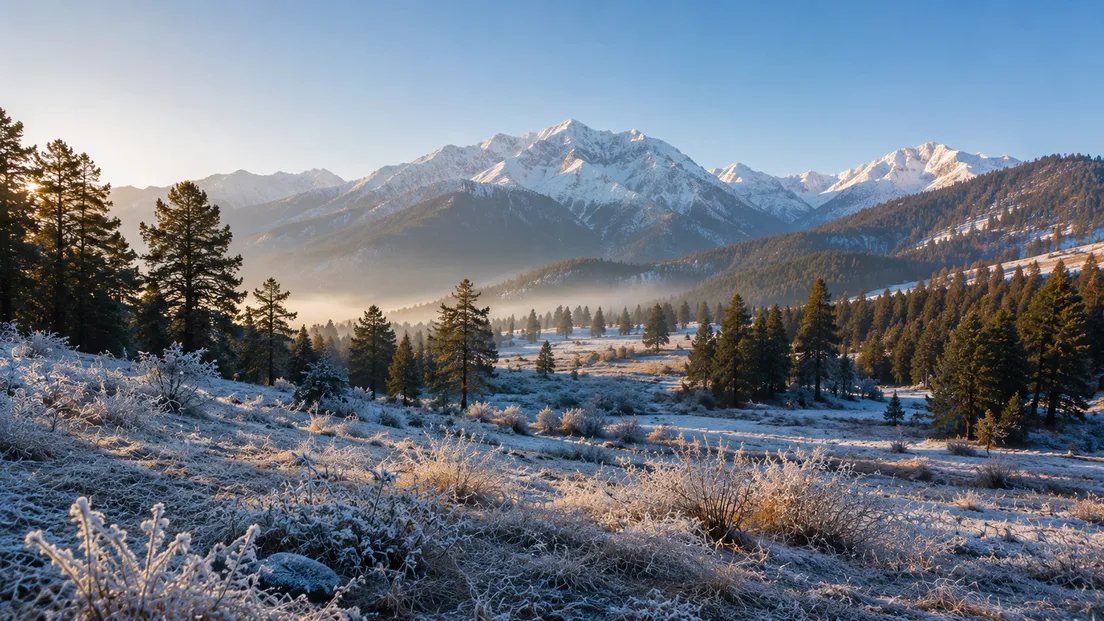
The winter season in India runs from December through February across most of the country. Its character varies more dramatically by region than any other season – from sub-zero temperatures in the Himalayas to warm, pleasant conditions along the southern coast.
Cold Weather in Northern India
Northern India experiences genuine winter cold from December through February. Delhi regularly records overnight temperatures between 4°C and 8°C in January, with occasional dips below 2°C during cold wave episodes when Arctic air pushes southward across Pakistan and into the Indo-Gangetic Plain.
The Himalayan states – Himachal Pradesh, Uttarakhand, and Jammu and Kashmir – see snowfall from November onward. High-altitude passes close to road traffic, and valley towns like Shimla and Manali experience sustained sub-zero periods through January and February. Cold wave alerts issued by the India Meteorological Department cover northern plains states when temperatures drop significantly below seasonal averages for consecutive days.
Mild Winter Conditions in Southern Regions
South of the Vindhya Range, winter feels entirely different. Chennai, Bengaluru, Hyderabad, and Kochi all experience their most comfortable weather between November and February – warm days, cool evenings, low humidity, and minimal rainfall outside the retreating monsoon period along the eastern coast.
Goa, Kerala, and Tamil Nadu attract the highest volume of domestic and international visitors during these months for this reason. Daytime temperatures sit between 26°C and 32°C across the south, nights are cool enough for comfort, and the combination of dry air and clear skies makes outdoor activity easy throughout the day.
Spring Season in India
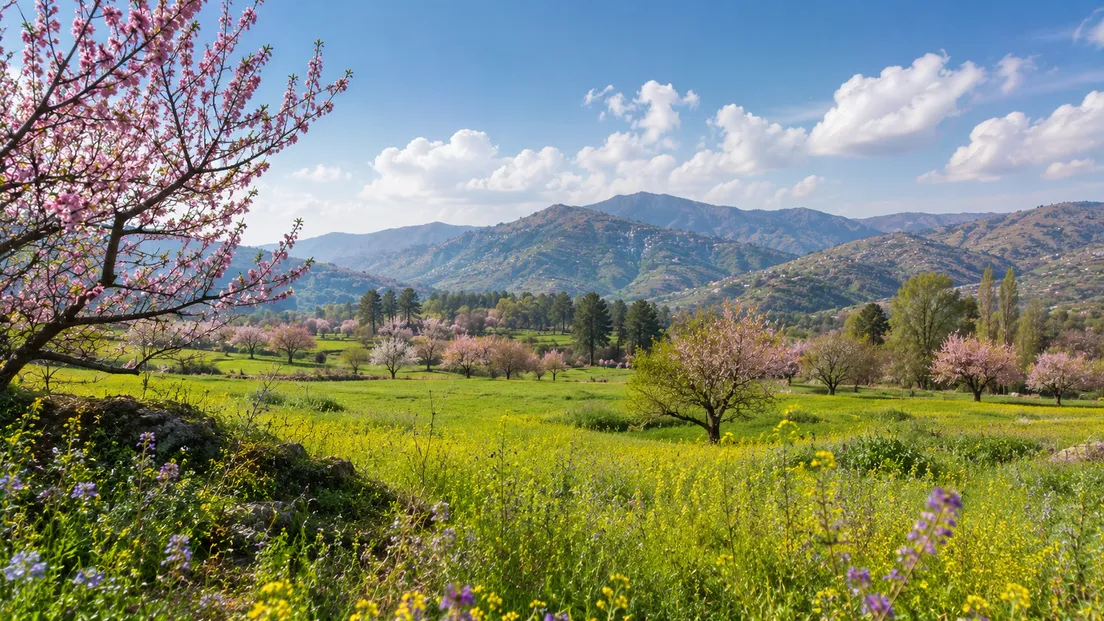
The spring season in India covers roughly February to March – a short transitional window between winter cold and summer heat. It is most distinctly felt in northern and central India, where the temperature shift between seasons is sharpest.
Temperature Changes Before Summer
Across the northern plains, February brings warming days while nights remain cool. By March, daytime temperatures in Delhi and Jaipur are climbing toward 30°C, and the transition from pleasant to warm happens quickly. The window of genuinely comfortable spring weather in northern India is narrow – typically four to six weeks before summer heat takes over.
The Western Himalayas experience spring as the snowmelt season. Rivers fed by Himalayan glaciers and snowpack swell in March and April as temperatures rise at altitude. This meltwater feeds the Indus, Ganga, and Brahmaputra systems and sustains agricultural irrigation across the northern plains through the dry months before the monsoon arrives.
Why Spring Weather Feels Different Across India
Southern India does not experience spring as a distinct season in the same way the north does. The transition from winter to summer is gradual and less pronounced at lower latitudes. Pre-monsoon thunderstorms – known as Mango Showers or Nor'westers depending on the region – bring brief but intense rainfall to parts of Karnataka, Kerala, West Bengal, and Odisha from March onward.
These pre-monsoon storms are a defining feature of spring in eastern and southern India. They arrive in the late afternoon, deliver heavy rain and lightning over a short period, and clear quickly. For mango and cashew cultivation in particular, these early rains are agriculturally significant – the name Mango Showers reflects their role in the crop cycle.
Climatic Zones in India
Climatic zones in India span six distinct categories according to the Köppen climate classification system – from tropical rainforest along the southwestern coast to cold desert in Ladakh and alpine tundra in the high Himalayas.
Tropical, Dry, Mountain, and Coastal Climates
The southwestern coast, the Andaman and Nicobar Islands, and most of the northeast fall under tropical climate classifications – high rainfall, high humidity, and temperatures that stay warm year-round. The Thar Desert in Rajasthan and parts of Gujarat represent the dry climate zone – extreme heat in summer, cold nights in winter, and minimal annual rainfall.
Mountain climates cover the Himalayan and sub-Himalayan belt. Temperature and precipitation both vary sharply with altitude in these zones – a valley floor and a ridge 1,500 metres above it can experience entirely different seasonal patterns within the same geographic area.
How Climate Varies by Region
Coastal climates along both the western and eastern seaboards are moderated by the ocean – temperatures stay within a narrower annual range than inland areas at the same latitude. Mumbai and Chennai see far less temperature variation between their hottest and coolest months than Delhi or Nagpur, which sit well inland.
The Deccan Plateau occupies a middle position – elevated enough to moderate heat compared to the coastal plains below, but continental enough to experience sharper seasonal contrasts than the coasts. This combination explains why cities like Pune, Hyderabad, and Bengaluru consistently rank among the most livable in India from a climate perspective.
Best Seasons for Travel in Different Parts of India
October to March covers the most universally comfortable travel window across India. The post-monsoon north offers clear skies and moderate temperatures. The south is dry and warm. Hill stations in the Western Ghats and Nilgiris are accessible and pleasant.
The rainy season months of June to September suit travelers specifically interested in the monsoon landscape – lush greenery, full waterfalls, and lower tourist volumes in most destinations. Kerala and Goa are popular monsoon destinations for this reason, though travel logistics require flexibility around heavy rainfall days.
Summer travel in India is best suited to high-altitude destinations. Ladakh, Spiti, and the Himalayan foothills are accessible and at their best between May and September – precisely when the rest of the country is at its hottest.
Use MeteoFlow to follow regional forecasts and seasonal weather conditions across India – before and during your travel.
FAQ
Why does India experience such different weather patterns across regions?
India spans 30 degrees of latitude and includes terrain from sea level to above 8,000 metres. The Himalayas, Western Ghats, and Thar Desert all create distinct local climates that override the broader regional pattern.
Which season brings the most rainfall in India?
The Southwest Monsoon from June to September delivers around 70% of India's annual rainfall. The Northeast Monsoon adds significant rainfall to Tamil Nadu and the southeastern coast between October and December.
What is the difference between the monsoon season and the rainy season in India?
The monsoon refers specifically to the wind reversal system that drives rainfall. The rainy season in India is the period of actual precipitation it produces – the two terms overlap but are not identical. Some regions receive significant rain outside the main monsoon through the Northeast Monsoon or pre-monsoon storms.
Which Indian regions have the coldest winters?
Jammu and Kashmir, Himachal Pradesh, and Uttarakhand experience the coldest winters, with sub-zero temperatures and heavy snowfall from December through February. Ladakh records some of the lowest temperatures in inhabited India, regularly dropping below −20°C in January.
Why do coastal areas in India usually have higher humidity?
Proximity to the ocean means constant moisture supply through evaporation. Sea breezes carry humid air inland, and the ocean moderates temperature swings – both factors keep relative humidity consistently higher along the coast than in the continental interior.
How do the Himalayas affect India's climate?
The Himalayas block cold Central Asian air from reaching the Indian plains in winter, keeping temperatures higher than the latitude would otherwise produce. They also force the monsoon upward along their southern slopes, generating intense orographic rainfall across the sub-Himalayan belt.
Which season is considered the most comfortable in India?
October to February is widely regarded as the most comfortable period across most of India – post-monsoon clarity, moderate temperatures, and low humidity make it the preferred window for both residents and visitors in the majority of regions.
Why can weather conditions vary greatly between northern and southern India?
The north experiences continental climate influences – cold winters, hot summers, and sharp seasonal transitions. The south sits closer to the equator and is moderated by the ocean on three sides, producing a narrower temperature range and a climate defined more by rainfall patterns than by temperature extremes.


