What Is a Monsoon and How Does It Affect Weather?
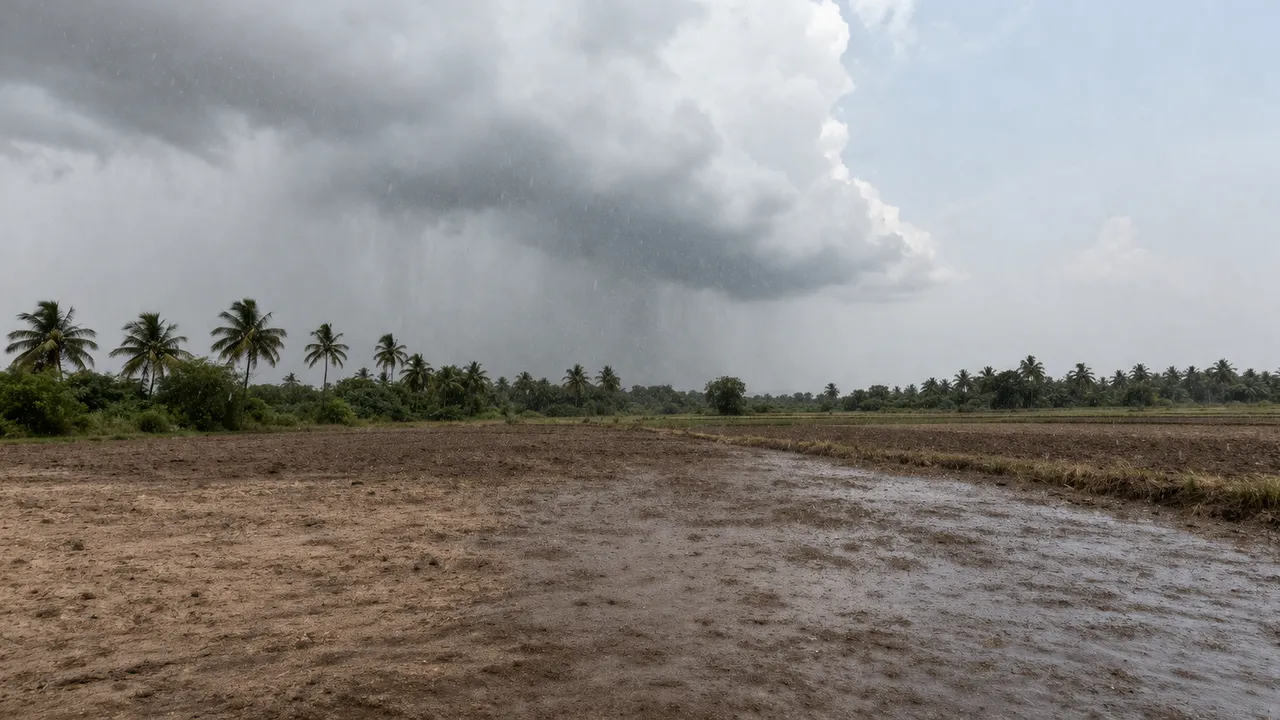
A monsoon is a seasonal reversal of wind patterns that creates distinct wet and dry periods across large regions. The shift brings moist ocean air inland during summer, producing months of heavy rainfall, then reverses in winter and draws dry air back toward the sea.
Monsoon meaning in practical terms goes beyond rain – it describes a predictable seasonal cycle that billions of people plan their lives around. Understanding what is a monsoon starts with that wind reversal, not with the rainfall it produces.
Monsoon Meaning and Definition
The word monsoon comes from the Arabic "mawsim," meaning season. Arab traders used it to describe the winds that reversed direction twice a year over the Indian Ocean – winds reliable enough to navigate by. The monsoon meaning has expanded since then, but the core idea remains the same: a wind system that changes direction with the seasons and brings sharply different weather in each.
That direction change is driven by temperature contrast between land and ocean. Land heats faster than water in summer and cools faster in winter. The atmosphere responds to that contrast by shifting its circulation – toward the heated land in summer, away from the cooled land in winter.
How a Monsoon Forms
The land-sea temperature contrast is the engine behind every monsoon system. The larger the contrast and the more abrupt the seasonal shift, the stronger the resulting wind reversal and rainfall response.
Seasonal Wind Shift Between Land and Sea
In summer, land surfaces heat rapidly under strong solar radiation. Warm air over the continent rises, pressure drops, and cooler moist air from the ocean moves inland to fill the gap. That incoming ocean air carries significant moisture, which releases as rainfall when the air rises and cools.
In winter the process runs in the opposite direction. Land cools faster than the surrounding ocean, pressure over the continent rises, and dry air flows back out toward the sea. The Himalayan range intensifies this cycle across South Asia – it blocks cold continental air from moving south in winter and forces moist onshore air upward along its southern slopes in summer, amplifying both the wet and dry phases of the monsoon.
Monsoon Weather and Rainfall Patterns
The wind reversal produces two seasons with little gradual transition between them. Monsoon weather arrives quickly when onshore winds establish, and the contrast with the preceding dry period is sharp.
Wet and Dry Seasons
During the wet season, moisture-laden ocean air moves continuously inland. Rainfall is frequent, often daily, and persists for months. During the dry season, offshore winds carry continental air seaward – skies clear, humidity drops, and rain becomes rare for an equally long period.
In Mumbai, June through September delivers around 2,200 mm of rainfall. London receives roughly the same amount over seven years. That compression of water into four months defines how monsoon regions experience both abundance and scarcity within the same annual cycle.
Why Monsoon Rain Can Be So Intense
The moisture supply during an active monsoon is continuous. Onshore winds draw humid ocean air inland without interruption, and when that air rises – over heated land, along mountain slopes, or within convective systems – it releases large volumes of water rapidly.
A single active monsoon rain day in Kerala or Bangladesh can deliver more rainfall than many European cities receive in an entire month. The intensity comes from the combination of high moisture content and sustained atmospheric uplift working together over the same area for consecutive days.
Where Monsoons Happen
Monsoon systems develop wherever land-sea temperature contrast is strong enough to reverse seasonal wind patterns. The monsoon season is not exclusive to South Asia – several distinct systems operate across different parts of the world.
Monsoon Season in India
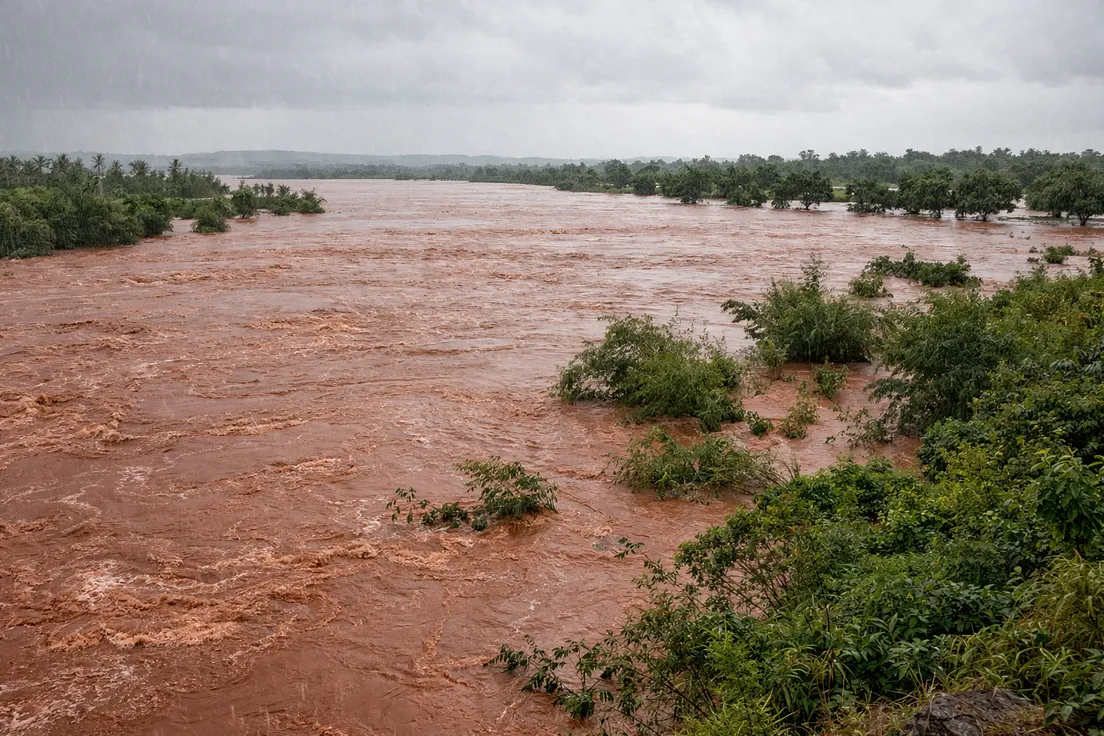
The Southwest monsoon reaches the Kerala coast around June 1 each year and advances northward over six to eight weeks, covering the entire subcontinent before retreating in October. Around 70% of India's annual rainfall falls within these four months.
The monsoon season in India is the hydrological foundation of the country. Reservoirs, river levels, groundwater recharge, and irrigation all depend on its timing and intensity. A delayed onset by two weeks or a below-average total shifts water availability and crop yields across the entire agricultural calendar.
Other Regions Affected by Monsoons
West Africa, East Asia, northern Australia, and the American Southwest all experience monsoon-driven seasonal rainfall. Each system follows the same land-sea contrast mechanism but differs in timing, intensity, and geographic extent.
The North American monsoon brings around half of Arizona's annual rainfall between July and September. Most people outside the region do not associate the American Southwest with monsoon systems, but the seasonal wind shift and rainfall pattern follow the same physical logic as the systems that define weather across South and Southeast Asia.
Check local rainfall and seasonal forecast patterns during monsoon season on MeteoFlow.
Why Monsoons Matter for People and Agriculture
The South Asian monsoon delivers freshwater to around 1.5 billion people – more than any other single weather system on Earth. Drinking water, irrigation, river flow, and hydroelectric generation across the region all depend on four months of reliable seasonal rainfall.
Too little rain in a monsoon season means drought, failed harvests, and depleted reservoirs that take years to recover. Too much, concentrated over short periods, overwhelms drainage systems and river banks. The difference between a normal monsoon and a deficient one is measured not just in millimeters of rainfall but in food prices, energy output, and water access across entire countries.
Agriculture in monsoon regions is calibrated around the seasonal cycle in ways that farming in temperate climates is not. Planting dates, crop selection, and harvest timing all follow the monsoon calendar. When the onset is late or the withdrawal is early, the agricultural response has no easy substitute.
Use MeteoFlow to follow weather forecasts and track changing monsoon conditions in your region.
FAQ
How long does a monsoon usually last?
Typically three to four months. The South Asian monsoon runs from June through September. Exact duration varies by region and year – some seasons establish early and withdraw late, others do the opposite.
Is the monsoon season the same every year?
No. Onset date, total rainfall, and intensity vary annually. A delayed or below-average monsoon has direct consequences for water supply, crop yields, and reservoir levels across affected regions.
Why does monsoon rain sometimes cause floods?
Monsoon rain at high intensity over consecutive days saturates soil, fills rivers beyond capacity, and exceeds urban drainage limits. When several of those conditions coincide, flooding follows regardless of whether total seasonal rainfall is above or below average.
What is the difference between monsoon weather and a tropical storm?
Monsoon weather is a seasonal pattern driven by a large-scale wind reversal. A tropical storm is a rotating low-pressure system that develops independently. Both bring heavy rain, but a monsoon operates over months across a wide region, while a tropical storm is a discrete event lasting days.
