What Is a Storm Surge and Why Is It Dangerous?
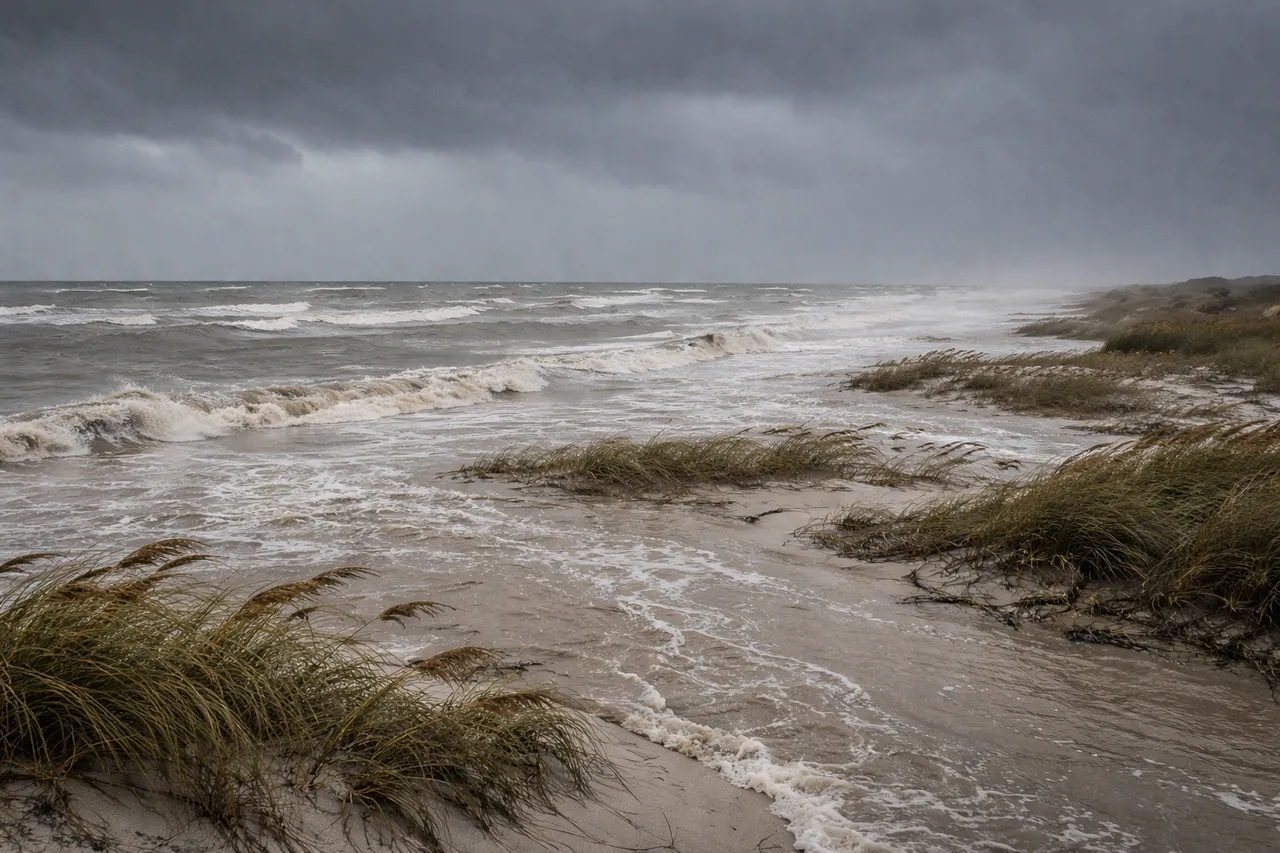
A storm surge is an abnormal rise in sea level driven by the winds and low atmospheric pressure of an approaching storm. Water piles against the coast faster than tides or waves alone could produce, and it can flood low-lying areas within hours of a storm making landfall.
The storm surge meaning in practical terms is straightforward: it is the water, not the wind, that kills in most major coastal storms. Understanding what is a storm surge and how it behaves is the difference between an evacuation decision made in time and one made too late.
Storm Surge Definition and Meaning
Storm surge is distinct from ordinary coastal flooding and from the wave action that accompanies any strong storm. The storm surge definition covers a specific physical process – one that can raise water levels far beyond anything wind or rain produces independently.
What Causes Sea Level to Rise During a Storm
Two mechanisms drive surge simultaneously. Strong onshore winds push surface water toward the coast, piling it against the shoreline over hours. At the same time, the low atmospheric pressure at the storm's center acts on the sea surface – reduced air pressure above allows water to rise, in the same way liquid rises in a partial vacuum.
A pressure drop of 1 hectopascal raises sea level by approximately 1 centimeter. A major hurricane can lower central pressure by 50 to 100 hPa, contributing up to a meter of surge height from pressure alone before wind is factored in.
Why Storm Surge Is Different from Normal Tides
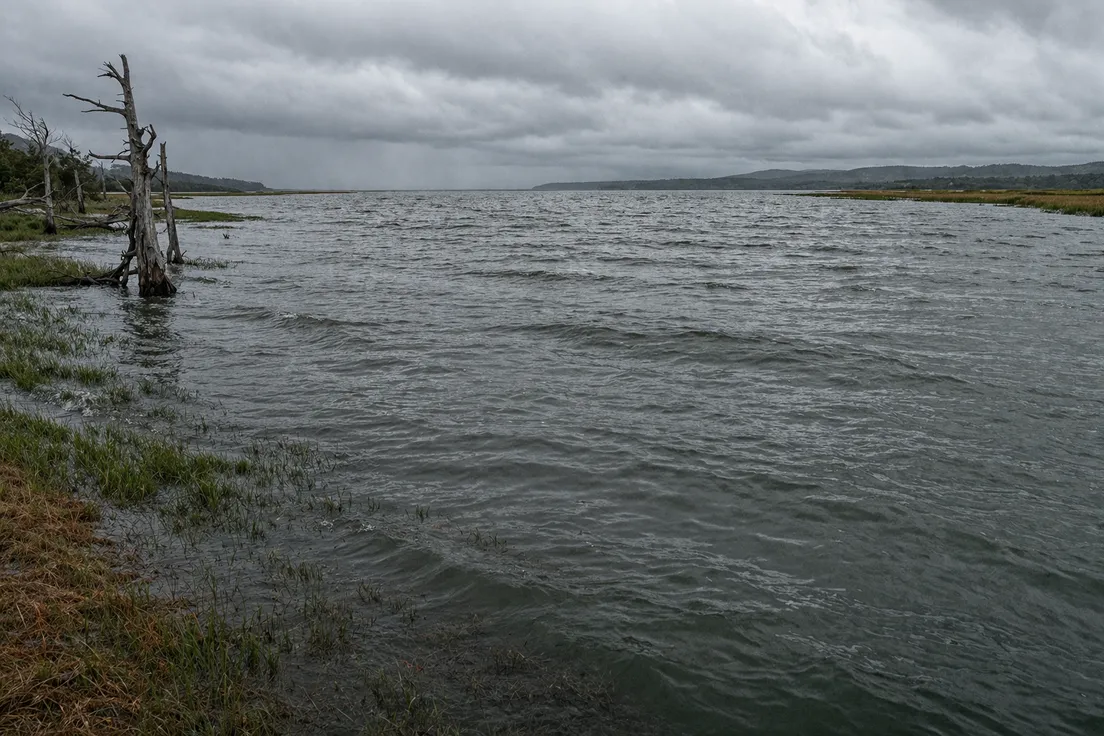
Tidal surges follow predictable cycles driven by lunar and solar gravity. Their timing and height are known days and weeks in advance. Storm surge carries no such predictability – it arrives with the storm, compounds whatever tidal state exists at that moment, and can raise water levels far above the normal high tide mark.
If a surge reaches the coast at high tide, the two combine directly. A three-meter surge arriving at a coastline already at high tide produces flooding that a three-meter surge at low tide would not. The timing of landfall relative to the tidal cycle is one of the critical factors in how much damage results.
How Storm Surges Form
The height a surge reaches at the shoreline depends on more than storm intensity alone. What are storm surges in physical terms is a product of wind, pressure, water depth, and the shape of the coast – all four interact to determine the final water level.
Strong Winds and Low Atmospheric Pressure
Wind is responsible for roughly 85% of total surge height in most major events. Sustained onshore winds drag the surface layer of the ocean toward the coast and hold it there. The longer the wind blows from the same direction across open water, the more water accumulates against the shoreline.
Pressure contributes the remainder. As a storm's central pressure drops, the sea surface beneath it rises. By the time a major tropical system reaches the coast, both mechanisms have been operating for hours – sometimes days – over a wide stretch of ocean.
Why Coastal Shape and Seabed Matter
A straight, open coastline allows surge water to spread laterally and dissipate. A funnel-shaped bay does the opposite – it concentrates incoming water into a narrowing space, forcing levels higher with nowhere for the energy to go.
Shallow seabeds amplify this further. Deep water allows surge to spread vertically through the water column. Shallow approaches force the same volume of water into a thinner layer, pushing it upward and onshore. The Bay of Bengal combines both factors – a funnel shape and a shallow northern end – and has produced surges above 10 meters during major cyclones. Few coastal configurations on Earth are more vulnerable.
Where Storm Surges Are Most Dangerous
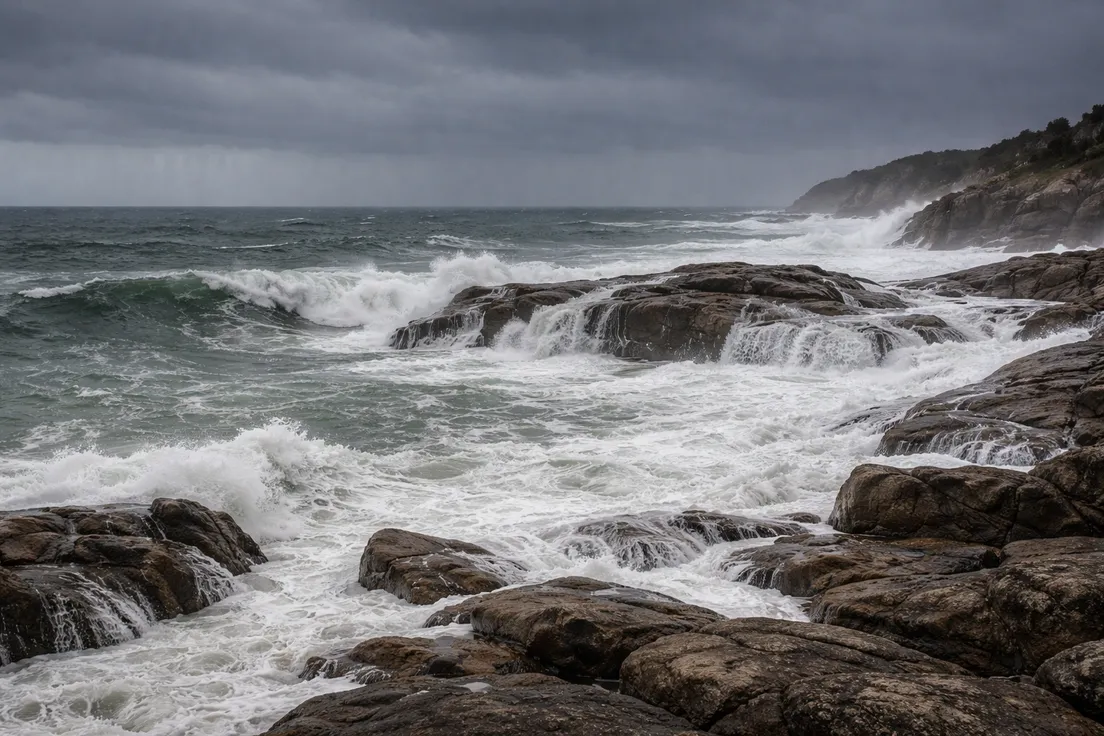
Geography determines surge risk as much as storm intensity. A sea surge that reaches 3 meters in open coastal water can behave very differently when it encounters a bay, a delta, or a low-lying shoreline with no natural barriers.
Coastal Areas, Bays, and Low-Lying Shores
Flat coastlines at or near sea level offer no resistance to incoming water. Delta regions face compounded risk – the land is low, the soil is loose, and the river channels that cross them become pathways for surge water to travel far inland.
Bangladesh sits on the Ganges-Brahmaputra delta at near sea level across most of its southern coast. The 1970 Bhola cyclone produced a sea surge that killed an estimated 300,000 to 500,000 people – the deadliest tropical cyclone in recorded history. The geography of the coastline amplified a powerful storm into a catastrophic flood event.
Hurricanes, Cyclones, and Severe Coastal Storms
Tropical systems produce the largest surges because their scale, wind intensity, and low central pressure operate over wide areas for extended periods. The larger the storm's wind field, the more ocean surface it disturbs and the more water it drives toward the coast.
Hurricane Katrina's surge reached 8.5 meters along parts of the Mississippi Gulf Coast in 2005. In many locations, the surge caused more structural damage and more fatalities than the wind. Extratropical storms at mid-latitudes also generate significant surge – the 1953 North Sea flood was not a tropical system but killed over 2,500 people across the Netherlands and the UK through surge alone.
Check coastal forecasts and water level warnings on MeteoFlow when severe storms are expected in your region.
What Damage Can a Storm Surge Cause
Surge water arriving at a coastline carries energy that standing floodwater from rainfall does not. It moves fast, it carries debris, and it arrives in volume that overwhelms drainage, barriers, and structures built for ordinary conditions.
Coastal Flooding and Erosion
Saltwater intrusion damages more than the immediate flood zone. Agricultural land saturated with seawater can remain too saline to cultivate for years after a single event. The 1991 Bangladesh cyclone left large areas of farmland unproductive for several growing seasons – the physical flooding lasted days, but the agricultural impact persisted far longer.
Wave action riding on top of surge compounds the erosion. Beaches, dunes, and coastal cliffs that took decades to form can be stripped back meters in a single storm. The duration of flooding matters alongside the height – water held against a coastline for six hours causes more erosion than the same level reaching and retreating within one.
Risks to Homes, Roads, and Infrastructure
Moving surge water exerts lateral force that static floodwater does not. Thirty centimeters of fast-moving water can knock an adult off their feet. Sixty centimeters is enough to float most vehicles, turning them into uncontrolled hazards in flooded streets.
Roads and bridge foundations are vulnerable to scour – the erosion of material from beneath a structure as water moves past it at speed. A road that appears intact after surge recedes may have lost the substrate supporting it entirely. Power infrastructure, water treatment systems, and communication networks fail when flooded, and restoration in saltwater-damaged areas takes significantly longer than after freshwater flooding.
How to Stay Safe During a Storm Surge
Evacuation orders issued ahead of a surge event exist because emergency services cannot reach people once water is moving. The single most dangerous decision in a surge situation is to shelter in place after an evacuation order has been issued.
Most storm surge fatalities occur among people who chose to stay. The reasoning is often that previous storms passed without serious flooding – but surge height depends on storm track, tidal timing, and coastal geometry in ways that make each event different from the last.
Leaving early matters more than leaving prepared. A car with limited supplies on a clear road hours before landfall is safer than a fully stocked house in the surge zone when water begins to rise. Surge can move faster than people can react once it reaches land.
If evacuation is not possible, vertical movement within a reinforced structure buys time but does not guarantee safety. Ground floors flood first and fastest. Upper floors in a solid building provide temporary refuge, but surge water in a confined space can continue rising.
Do not attempt to drive through flooded roads once a surge has arrived. The depth is impossible to judge visually, road surfaces may have failed beneath the water, and vehicle buoyancy at 60 centimeters removes steering and braking control entirely.
Use MeteoFlow to follow forecast updates and monitor dangerous coastal weather conditions in your area before and during severe storm events.
FAQ
How high can a storm surge get?
Most dangerous surges reach between 3 and 6 meters. Extreme cases in funnel-shaped coastal configurations have exceeded 10 meters. Final height depends on storm intensity, coastal geometry, seabed depth, and whether the surge coincides with high tide.
Can a storm surge happen without a hurricane?
Yes. Extratropical storms and strong coastal low-pressure systems produce significant surges at mid-latitudes. The 1953 North Sea flood was driven by an extratropical storm and killed over 2,500 people across the Netherlands and the UK without any tropical system involved.
Why are shallow coastal areas more vulnerable to storm surge?
Shallow seabeds force incoming water upward rather than allowing it to spread through a deep water column. The shallower the approach to the shoreline, the higher the surge builds as the same water volume is compressed into a thinner layer.
Is a storm surge the same as a tsunami?
No. A tsunami is generated by a seismic event and travels as a deep-ocean wave at speeds above 700 km/h. Storm surge develops over hours under wind and pressure forcing. Both flood coastlines, but the causes, speeds, and warning times are entirely different.
Can storm surge happen at the same time as heavy rain?
Yes. Tropical systems produce both simultaneously. Combined flooding from surge and rainfall overwhelms drainage systems that could handle either event separately. The interaction makes total flood depth and duration significantly worse than either source alone.
What should people do before a coastal surge reaches land?
Follow official evacuation orders immediately and move inland to higher ground. Do not wait to assess how serious conditions appear – surge development accelerates as a storm approaches, and the window for safe road travel closes faster than most people expect.
