What Is an Indian Summer: Meaning, Origin, and Weather Explained
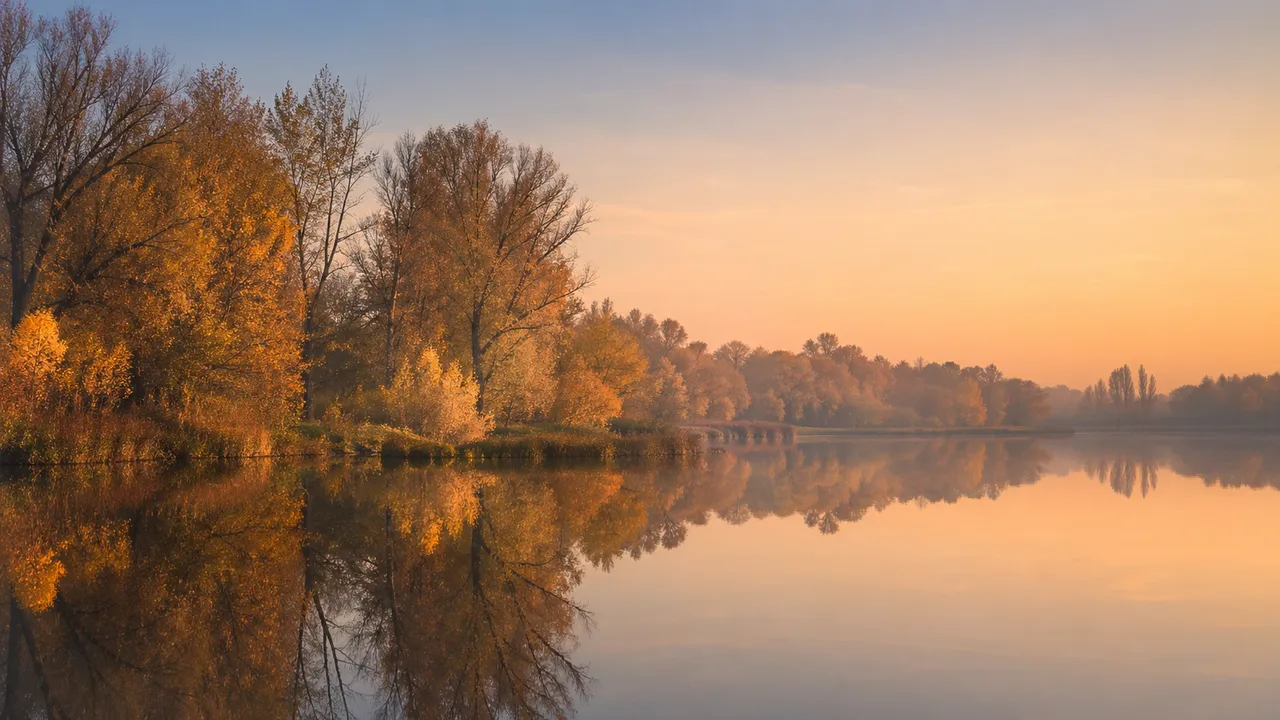
An Indian summer is a warm, dry spell in autumn that arrives after the first hard frost. Temperatures climb well above the seasonal average, skies stay clear, and conditions hold for days. What is an Indian summer? A warm dry spell in autumn that arrives only after the first frost has already passed – that sequence is what separates it from an ordinary mild October afternoon.
The Indian summer meaning is both meteorological and cultural. The phrase has been in use for over two centuries, and the weather pattern it describes occurs across the Northern Hemisphere under different names.
Indian Summer Meaning: What the Term Actually Describes
What does Indian summer mean beyond a warm day in October? A specific combination of timing, temperature, and atmospheric state – one that requires frost to have already arrived before the warmth returns.
Key Weather Conditions That Define an Indian Summer
The frost criterion is the defining threshold. Without a preceding hard frost, a warm spell in October is simply a warm spell. After frost, the same temperatures carry a different atmospheric context – drier air, lower humidity, and often a hazy quality to the light.
That haze is frequently caused by smoke from distant wildfires or agricultural burning carried on light winds – not moisture in the air as many assume.
How Long Does an Indian Summer Last
Duration varies, and no universal minimum exists. Some definitions require at least a week of above-average temperatures following frost. Others apply the term to any multi-day warm spell after the first freeze.
Most last between a few days and two weeks. Longer events occur but are uncommon. The absence of an agreed threshold is part of why the term remains descriptive rather than official.
Where Does the Term "Indian Summer" Come From?
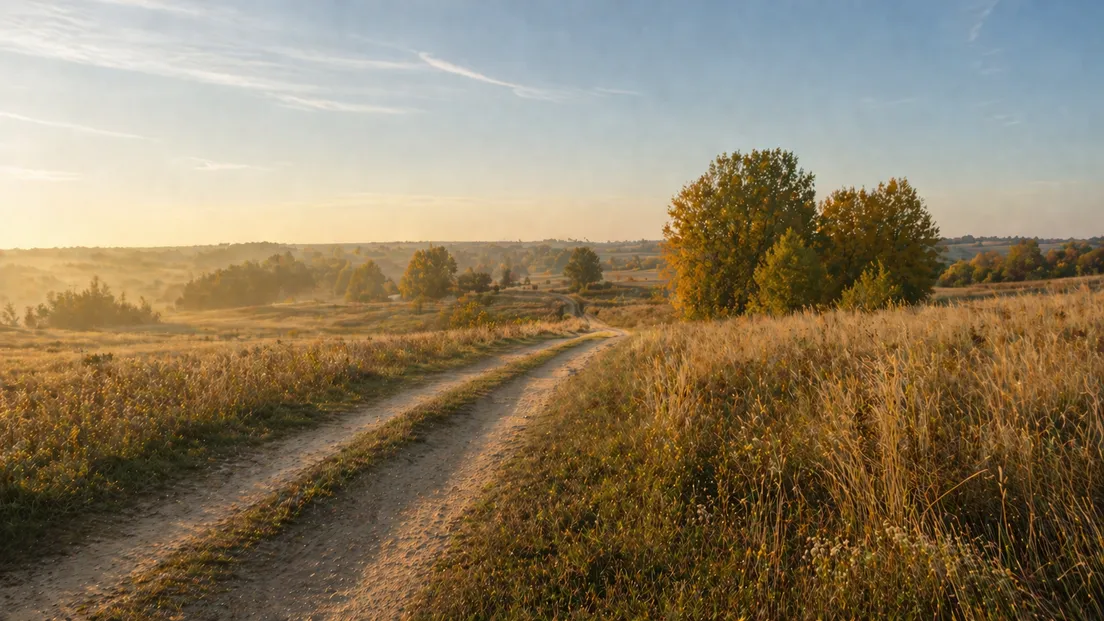
The phrase has a documented starting point but no single definitive answer. The earliest written record dates to 1778, but it appeared without explanation – suggesting it was already in common use by then.
Historical Origin in North America
That record comes from a letter by French-American writer J. Hector St. John de Crèvecœur. Where does the term Indian summer come from? Beyond that date, the origin remains debated. One theory links it to the geographic regions associated with Native Americans where the phenomenon was commonly observed. Another connects it to Native American hunting practices that coincided with the post-frost warm spell.
How the Term Spread to the UK and Europe
The phrase entered British English during the 19th century. Why do we call it an Indian summer in Europe is a different question – the term arrived through literature and trade, not from any direct cultural connection to the American context.
Other languages developed their own equivalents tied to local culture. In continental Europe, the warm autumn spell is often anchored to Catholic saints' days. Saint Martin's Day on November 11 is the most common reference point – the French "été de la Saint-Martin" names the phenomenon directly after it.
What Causes an Indian Summer?
A high-pressure system stalling over a region after a cold front has passed is the direct mechanism. Descending air warms as it compresses, cloud formation is suppressed, and clear skies allow solar radiation to heat the surface through the day.
The sequence matters. The cold front brings the first frost. Then the high pressure builds behind it and holds – sometimes for days. Understanding why Indian summer follows frost rather than preceding it comes down to that order: the atmosphere resets cold first, then the high pressure locks in warmth behind it.
The same mechanism can occur in spring but is never called an Indian summer – the term applies only to autumn.
Check local forecasts on MeteoFlow to track unusual warm spells in autumn as they develop.
Is "Indian Summer" an Official Meteorological Term?
No national weather service formally defines it. The UK Met Office uses the phrase in public communications but not in official forecast language. The US National Weather Service has no standardized threshold for temperature anomaly, duration, or frost requirement that would qualify a spell as an Indian summer.
The term functions as a descriptive label – widely understood, consistently used, but without the technical precision that official meteorological classifications require.
Indian Summer Around the World: Other Names for the Same Phenomenon
The weather pattern is not unique to North America or the UK. Several languages developed their own terms for the same post-frost warm spell, each with a distinct cultural anchor.
German "Altweibersommer" – literally "old women's summer" – refers to the gossamer threads of spider silk that float through the air during calm autumn days.
French "été de la Saint-Martin" ties the phenomenon to November 11.
Russian "bab'ye leto" – "women's summer" – describes a warm spell in early September, earlier than the classic Indian summer window.
Polish "złota jesień" means "golden autumn" and refers more broadly to the season's appearance than to a specific warm spell.
Follow weather conditions with MeteoFlow to catch an Indian summer when it arrives in your region.
FAQ
What months does an Indian summer typically occur?
October and November in North America and Europe. Exact timing shifts by latitude and year – southern regions tend to see it earlier.
Does an Indian summer happen every year?
No. It requires a specific sequence: hard frost followed by a stalled high-pressure system. Some years produce none at all.
Is the term "Indian summer" considered offensive?
The origin is disputed and some find the phrase problematic. No consensus exists. Several style guides suggest awareness of its uncertain etymology.
How is an Indian summer different from a normal warm autumn day?
A single warm day does not qualify. The warm spell must follow a hard frost and persist across multiple days to fit the common usage.
Can you predict when an Indian summer will occur?
Only a few days in advance. Medium-range forecasts can identify favorable high-pressure patterns but cannot confirm duration or intensity until conditions develop.
