What Is Precipitation? Definition, Types, and Examples

In a weather forecast, what is precipitation usually means one simple thing: water falling from clouds. That water can reach the ground as rain, snow, sleet, or hail, depending on temperature and atmospheric conditions. This is the everyday precipitation definition used in weather reports.
Understanding the precipitation meaning helps with ordinary planning. It tells you more than whether it will be wet outside. It can affect travel time, road safety, clothing choices, and how you read hourly forecast changes during the day.
Precipitation Definition and Meaning
In everyday weather language, the precipitation definition is straightforward. It refers to water that falls from clouds and reaches the ground. Depending on temperature and atmospheric conditions, this water may arrive in several forms. In practice, the term simply describes moisture moving from the sky to the surface.
In forecast language, the precipitation meaning goes a little further. Many weather applications and publications use the phrase to characterize the forecast kind, probability, and amount of precipitation. A forecast may show precipitation possibility, intensity, or accumulation. These details show how wet it may get and how long it may rain.
How Precipitation Forms in the Atmosphere
Precipitation begins high in the atmosphere where moist air starts to cool. As water vapor loses heat, it turns into tiny droplets of liquid water or small ice crystals inside clouds. At this stage the particles are extremely light, so they remain suspended in the air and move with the surrounding cloud.
As time passes, these droplets or crystals collide and join together. The particles slowly grow larger and heavier. Once they become too heavy to stay suspended, gravity pulls them downward.
Types of Precipitation
The main types of precipitation you will see in forecasts are rain, snow, sleet, hail, and sometimes freezing rain. These labels matter because they tell you what is expected to fall from the sky and how conditions may feel on the ground. In forecast language, the difference is practical, not just technical.
Rain reaches the surface as liquid water. Snow falls as ice crystals that join into flakes. Sleet arrives as small frozen pellets, while hail forms inside strong storm clouds and usually falls as larger hard balls of ice. Freezing rain is different again: it falls as liquid but freezes on contact with cold surfaces. These terms help you judge what kind of weather is actually on the way.
Rain and Snow Mixed: Why It Happens
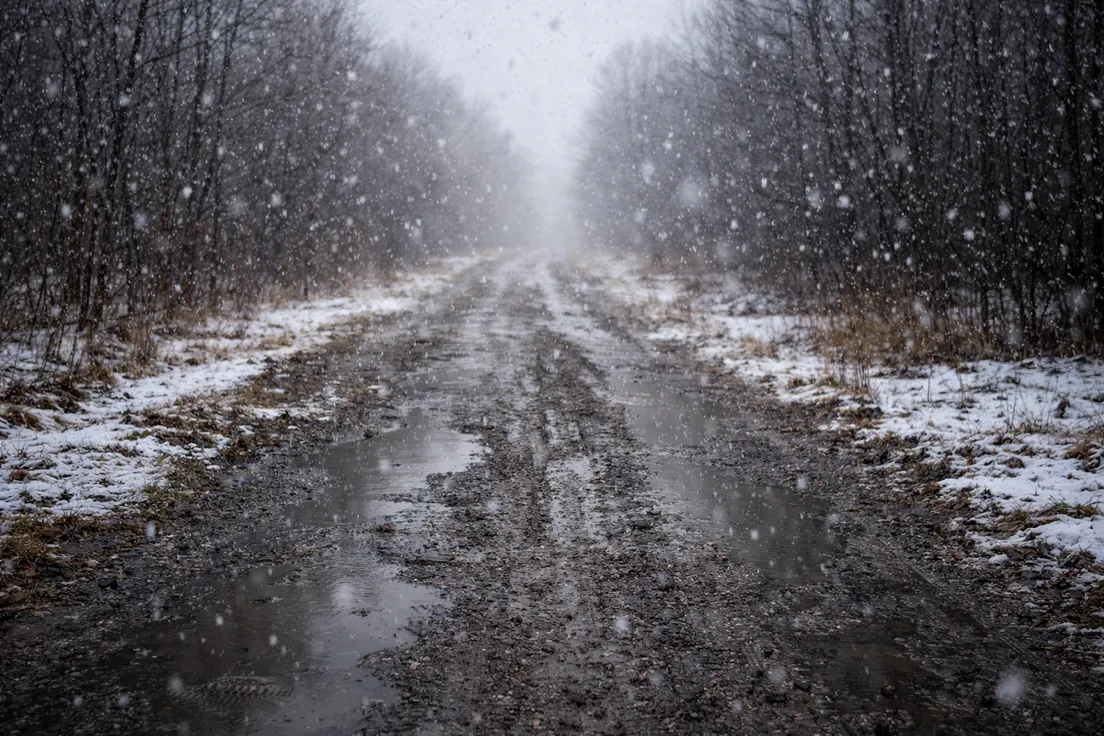
A forecast that says rain and snow mixed suggests liquid rain and snow may occur simultaneously or switch back and forth. This can occur outside as wet snow converting to rain, rain briefly turning to snow, or both under sloppy circumstances. Usually when temps are around freezing. Snow may form in one layer but melt in another due to air temperature differences. The ground receives a mix of precipitation types.
How Precipitation Is Measured in Weather Reports
In weather reports, precipitation is usually described by amount and intensity. The amount tells you how much water is expected or has already fallen. Intensity tells you how light or heavy it is. These details matter because they affect daily decisions such as driving, walking, or planning time outdoors.
Amounts are commonly shown in millimeters or inches. Intensity is often described as light, moderate, or heavy. Forecasts may also include the probability of precipitation, which shows how likely it is to occur. A report showing 5 mm of rain suggests more than a passing shower. These are simple but useful facts about precipitation because they help turn forecast numbers into practical meaning.
View real-time precipitation updates and hourly forecasts for your location on MeteoFlow.
FAQ
Is fog considered precipitation?
Usually not. Fog stays suspended near the ground rather than falling from clouds, so it is not treated as precipitation in standard weather reports.
What is the difference between sleet and freezing rain?
Sleet falls as small ice pellets. Freezing rain falls as liquid water first and then freezes when it hits a cold surface such as a road, car, or tree branch.
How is precipitation measured in millimeters or inches?
The number shows how deep the water would be if it collected on a flat surface without running off or soaking in. This applies across many types of precipitation once they are converted to water equivalent.
Can precipitation fall without clouds?
In normal weather, precipitation comes from clouds. One exception people sometimes notice is virga, where precipitation falls from a cloud but evaporates before reaching the ground.
