5 Things to Do During an Earthquake: A Clear Safety Guide
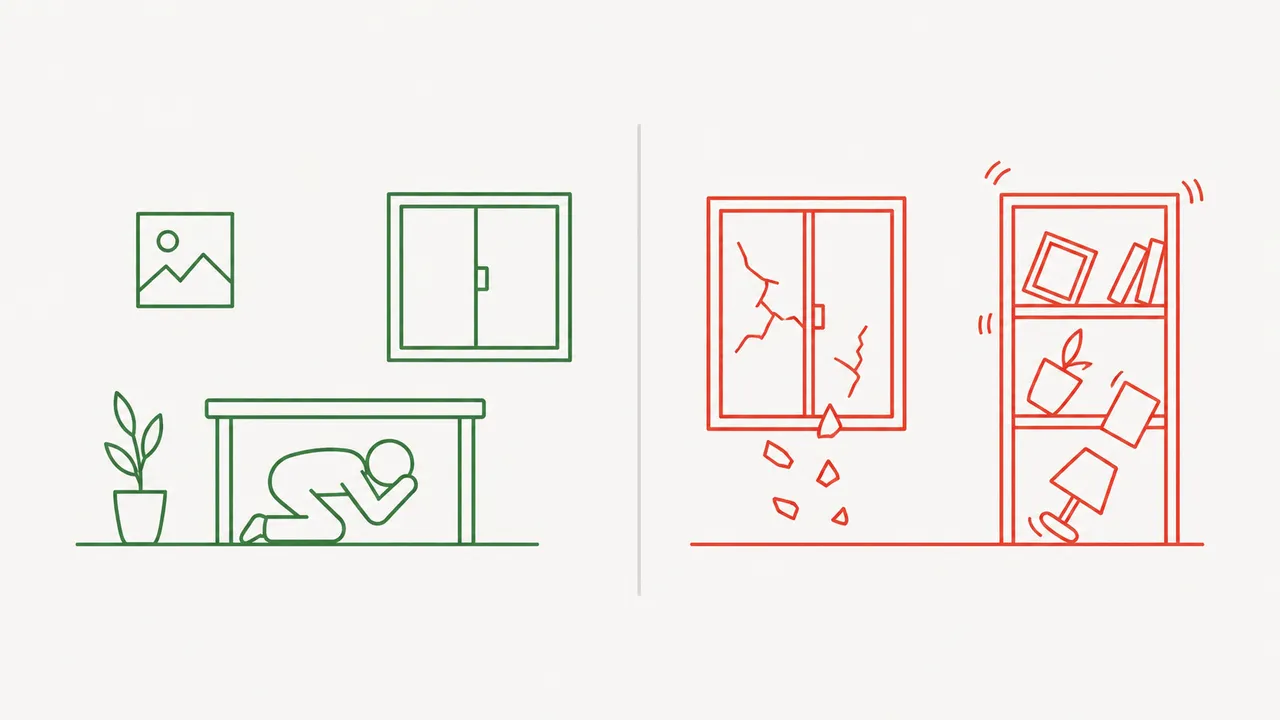
Earthquakes strike without warning. The actions taken in the first seconds determine whether a person walks away or is injured by falling objects, shattered glass, or structural collapse. Knowing what to do during an earthquake before one happens is the only preparation that works under pressure. This article covers five key actions and how to stay safe during an earthquake in specific situations.
Why Knowing What to Do in an Earthquake Can Save Your Life
Most earthquake injuries come from objects falling or people moving to the wrong place during shaking. Knowing what to do in an earthquake before one happens is the only preparation that works under pressure – these responses are not instinctive, and the wrong actions increase risk significantly. The five actions below are based on established emergency management guidance and apply to the majority of earthquake scenarios.
The 5 Things to Do During an Earthquake
These are the 5 things to do during an earthquake that emergency services and seismological agencies consistently recommend. Each applies from the moment shaking begins.
1. Drop, Cover, and Hold On
Drop to your hands and knees immediately. Get under a sturdy table or desk if one is nearby. If not, move against an interior wall away from windows and cover your head and neck with your arms. Hold on until the shaking stops.
This position protects against falling debris and keeps you stable on the ground, where you are less likely to be thrown or lose balance during strong shaking.
2. Stay Inside – Do Not Run Outdoors
Leaving a building during an earthquake exposes you to falling glass, debris from the facade, and structural elements coming off the exterior. Most injuries occur at building entrances and on pavements directly outside.
Stay where you are until the shaking stops completely. The decision to evacuate comes after – not during – the earthquake.
3. Move Away from Windows, Glass, and Heavy Objects
If you are not already near a table or desk, move away from windows, mirrors, shelving units, and anything mounted on the wall. Glass shatters and travels. Heavy objects fall in the direction of shaking.
An interior wall or a low corridor gives better protection than an open room with large windows or tall furniture nearby.
4. If You Are Outside, Move to Open Ground
Step away from buildings, utility poles, overhead wires, and trees. Stand in the open and stay low. Falling facades, signage, and power lines cause the majority of outdoor injuries during earthquakes.
Do not re-enter a building while shaking continues. Once you are in open ground, stay there until the shaking stops and you can assess the situation.
5. If You Are Driving, Pull Over Safely

Slow down and pull over away from bridges, overpasses, tunnels, and buildings. Stop the vehicle and stay inside with your seatbelt on. Do not park under trees or near utility poles.
Resume driving only after the shaking has stopped and you can see that the road ahead is clear of damage or debris.
Special Situations: What to Do in Specific Locations
What you should do in an earthquake depends partly on where you are when it starts. Two situations require adjusted responses.
What to Do During an Earthquake If You Are in Bed
Stay in bed. Pull the pillow over your head and neck. Rolling onto the floor exposes you to broken glass and objects that have fallen around the bed.
Most bedrooms contain fewer falling hazards than other rooms. Staying in place with head protection is the correct response unless the bed is directly below a heavy fixture that could fall.
What to Do During an Earthquake in a High-Rise Building
Do not attempt to use lifts or stairwells during shaking. Drop, cover, and hold on as you would at ground level. Expect the shaking to feel more intense on upper floors – this is normal and does not indicate greater structural danger.
After shaking stops, use stairwells to evacuate if the building management or emergency services direct you to do so.
Monitor seismic activity and weather-related emergency alerts in your area with MeteoFlow.
What to Do Immediately After the Shaking Stops
How to survive an earthquake depends as much on the minutes after shaking ends as on the seconds during it. Do not assume the event is over – aftershocks follow most earthquakes and can be strong enough to cause additional collapse.
Check yourself for injuries before moving. If you are indoors, look up before standing – ceiling tiles, light fixtures, and shelving may be unstable. Avoid using lifts. If you smell gas or see sparking wires, leave the building immediately and move upwind.
Do not re-enter a damaged building for any reason until it has been inspected. Structural damage is not always visible from the outside.
Stay prepared by following local hazard forecasts and emergency alerts with MeteoFlow.
FAQ
Should you stand in a doorway during an earthquake?
No. Doorframes offer no special protection in modern buildings and leave you exposed to the swinging door and falling debris nearby. Drop, cover, and hold on is safer.
Is it safer to stay inside or go outside during an earthquake?
Stay inside in most situations. Exits and building facades are where most outdoor injuries occur. What to do during an earthquake indoors is to shelter in place until shaking stops completely.
What should you do if you are in a crowded public place during an earthquake?
Move away from display shelving, glass partitions, and overhead fixtures. Drop and cover where you are. Do not rush for exits during shaking – crowd movement causes additional injuries.
How long do earthquakes typically last?
Most last between 10 and 30 seconds. Strong earthquakes can last up to 2 minutes. The response remains the same regardless of duration – drop, cover, and hold on until shaking fully stops.
