Why Is the Sky Blue and What Makes It That Color?
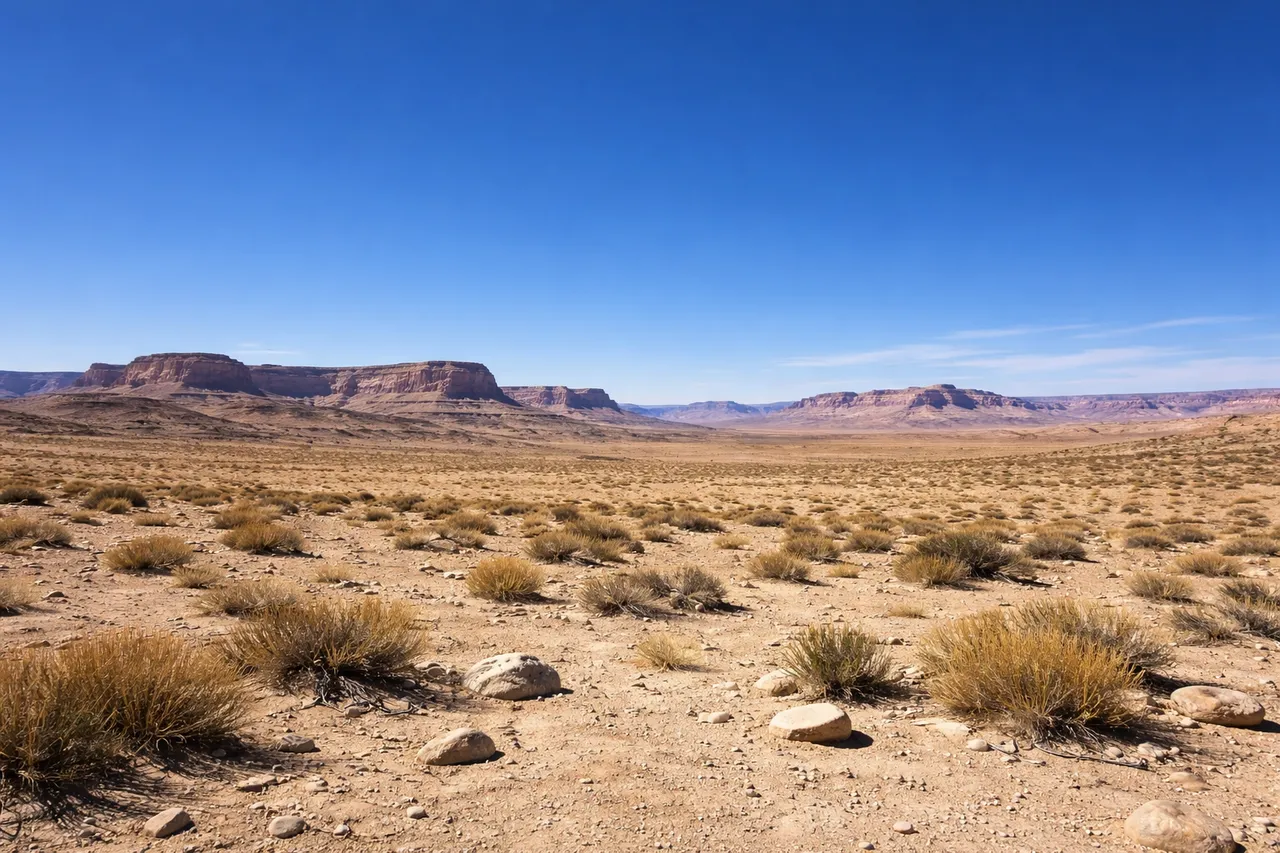
The short answer to why is the sky blue is that sunlight enters the atmosphere and the shorter blue wavelengths are spread through the air more strongly than the longer ones. That is what gives the daytime sky its familiar sky blue color.
The full picture is still simple once you break it down. To understand what makes the sky blue, it helps to look at sunlight itself, how the atmosphere redirects light, why blue stands out more clearly than violet, and why the sky can look very different at sunset or in hazy weather.
What Colour Is the Sky and Is the Sky Blue
On a clear day, the answer to what colour is the sky is easy to the eye: it usually looks blue. The shade can vary from a light blue near the horizon to a deeper blue higher overhead, but under normal daytime conditions blue is the colour most people see.
So is the sky blue? In many situations, yes. Still, the sky does not keep one fixed shade all the time. It can look paler when the air is humid, whiter when haze builds up, and warmer in tone when the Sun sits low. Clouds, pollution, altitude, and the angle of sunlight all change how the color appears from the ground.
What Makes the Sky Blue
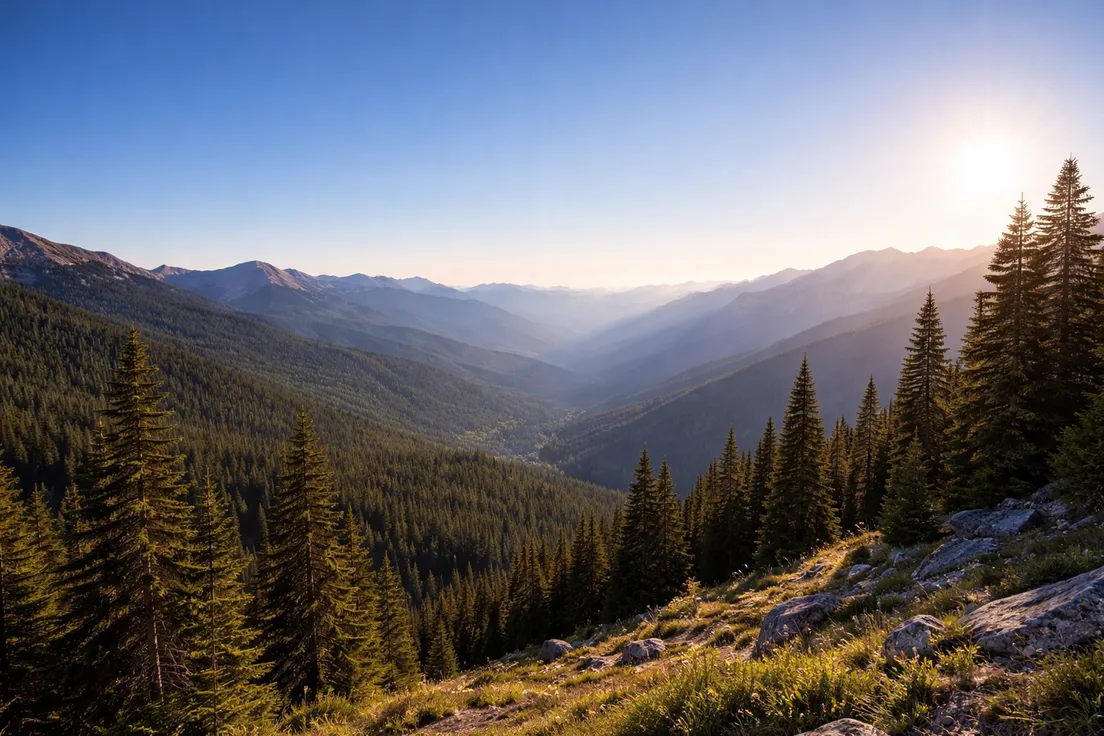
What makes the sky blue is just the way that sunlight and air interact with each other. To understand how it works, break it down into three parts: the colors in the sun, how air bends light, and why blue shines brighter than violet.
Sunlight and the Visible Spectrum
Sunlight may look white, but it carries many visible colors at once. Under the right conditions, those colors can be separated and seen as a spectrum, from red and orange through green and blue to violet. What looks like one beam of light is actually a mix.
These colors differ in wavelength. Red light has longer wavelengths, while blue and violet have shorter ones. That difference matters once sunlight moves through the atmosphere.
How the Atmosphere Scatters Light
When sunlight reaches the atmosphere, it travels through a vast number of air molecules and microscopic particles. These particles do not completely block the light, but they do deflect some of it. Some hues are more strongly influenced than others when light passes through the air.
Shorter wavelengths, particularly blue light, are diverted further across the sky than longer wavelengths like red. Instead of going in a straight line from the Sun, blue light spreads across the atmosphere in various directions. That is why blue light seems to originate from all around the sky, not only where the Sun is.
Why Blue Light Is More Visible Than Violet
Violet light is actually redirected even more strongly than blue light. At first glance, that might make the answer seem confusing. If violet is affected more, you might expect the sky to look violet instead of blue.
This can be explained by three main factors. Sunlight contains less violet than blue to begin with. Some violet light is also absorbed higher in the atmosphere. In addition, human eyes are more sensitive to blue than to violet. When these effects combine, the result is the sky blue color we usually notice during the day.
Why the Sky Changes Color at Sunrise and Sunset
When the Sun is low in the sky, its light has to pass through a much thicker layer of atmosphere before it reaches your eyes. This happens near sunrise and sunset, when the angle of sunlight is far lower than it is at midday. The longer path changes the way the light reaches the ground.
As that path through the atmosphere increases, the shorter blue wavelengths are redirected away from your direct line of sight more effectively. What remains more visible are the longer wavelengths, especially red, orange, and yellow. That is why the sky can look so different at the beginning or end of the day. The horizon often appears warmer, while the higher part of the sky may still keep a cooler tone.
Does the Sky Look the Same Everywhere on Earth
The short answer is no – is the sky blue everywhere in exactly the same way? Not quite. The general mechanism behind the color remains the same, but the shade and clarity of the sky can vary noticeably from place to place. Even within the same country, the sky may look deeper blue on some days and much paler on others.
Local conditions play a major role. Dry mountain air often produces a darker, more intense blue because there are fewer particles and less moisture in the atmosphere. The sky may be brighter or hazier in humid coastal areas. Dust, smoke, and pollution may also wipe out the sky. Blue intensity depends on weather, airborne particles, and atmospheric purity.
How Weather and Pollution Affect Sky Blue Color
Weather conditions can change the look of the sky quite a bit. Moisture in the air, thin cloud, and haze all reduce contrast and make colors appear less distinct. Instead of a rich blue, the sky may look paler, milkier, or even close to white. This is especially noticeable on humid days, when the air contains more tiny droplets that soften the view.
Pollution and smoke can change sky blue color even further. When the air holds more particles, light is redirected in a less clean and even way. The result is often a duller sky with less saturation and less depth. In some places, heavy haze or smoke can give the sky a gray, yellowish, or brownish cast rather than a clear blue.
You can check current weather and sky conditions for your location on MeteoFlow.
FAQ
Why does the sky turn red or orange at sunset?
At sunset, sunlight travels through a much longer stretch of atmosphere before it reaches the ground. Along that path, much of the shorter blue light is redirected out of direct view. That leaves more of the longer red, orange, and yellow wavelengths visible near the horizon.
What colour is the sky in space?
If you ask what colour is the sky in space, the answer is different from Earth. Space looks black because there is no thick atmosphere around an observer to spread sunlight across the sky. Without that scattering effect, there is no blue dome overhead.
Why does the sky sometimes look pale or white?
A pale or white-looking sky usually appears when the air contains more moisture, haze, or thin clouds. Under those conditions, light is mixed more broadly and the usual sky blue color becomes less distinct. The result is a washed-out appearance rather than a strong blue.
Why is the sky darker blue at higher altitudes?
At higher altitudes, the air is often cleaner and drier, with less haze and fewer low-level particles. That can make the sky look deeper blue. In mountain regions, the effect is often easy to notice on clear days.
Can the sky ever appear green or purple?
Yes, but not under normal daytime conditions. A greenish sky can sometimes appear near severe storms, especially when thick clouds, heavy rain, and unusual lighting combine. Purple tones may also appear briefly when the atmosphere contains dust, haze, or strong low-angle light during sunrise or sunset.
